Low-Carb, High-Protein Diets Like Keto – Practical Guide

Low-Carb, High-Protein Diets Like Keto – Practical Guide
By: Registered Nutrition Professional (RD) — not medical advice. This guide is for people exploring low-carb high-protein diets for weight loss, muscle maintenance, improved blood sugar control, or athletic performance. It summarizes common approaches, practical meal ideas, safety considerations, and the evidence—so you can decide which approach fits your goals and lifestyle.
Popular Low‑Carb, High‑Protein Diets Similar to Keto
Below are commonly used low-carb high-protein diets. Percentages are typical starting ranges; individual needs vary.
- Keto: Very low carb to induce ketosis. Typical macros: ~70–75% fat, 20–25% protein, 5–10% carbs. Suited to those prioritizing fat loss and appetite control.
- Dukan: Protein‑focused, phase-based plan emphasizing lean protein and limited carbs/fats, particularly in early phases. Often higher protein (>30–40% calories) with low carbs; structured phases guide reintroduction of foods.
- Atkins: Phased low-carb plan that starts very low carb and slowly reintroduces carbs; macros vary by phase (initial very low carbs, later up to moderate carbs).
- Paleo: Whole-food approach that reduces processed carbs; typically moderate protein, moderate-to-low carbs depending on fruit and tuber intake.
- Carnivore: Animal-based, near-zero carbs and very high protein/fat—extreme and restrictive, typically not recommended long-term without medical supervision.
- Intermittent Fasting (IF): Not a macronutrient plan but a timing strategy that pairs well with low-carb high-protein diets for some people.
Keto vs Dukan: Comparison — Benefits, Drawbacks, and Best Candidates
Benefits
- Keto: May reduce appetite, support short-term weight loss, and improve some metabolic markers for people with insulin resistance.
- Dukan: Highly structured; may produce rapid early weight loss due to strict protein focus and calorie reduction.
Drawbacks
- Keto: Can be hard to sustain for some, risk of low-fiber intake, and requires attention to electrolytes and nutrient variety.
- Dukan: Very restrictive early phases, potential for limited food variety, and may be challenging socially and long-term.
Who each suits
- Choose Keto if you tolerate higher fat intake, want flexible meal patterns, and are comfortable tracking macros.
- Choose Dukan if you prefer highly structured, protein-led rules and rapid initial results—but plan for a transition strategy afterward.
Keto and Intermittent Fasting: Key Differences, Synergies, and Practical Tips
Keto modifies macronutrients; intermittent fasting modifies timing. They can be combined: IF may accelerate initial fat loss and simplify meals, while keto may reduce hunger during fasting windows. Practical tips:
- Start one strategy at a time (e.g., adapt to low carb first, then add a 12:12 or 16:8 fasting window).
- Prioritize protein in meals to preserve muscle—aim for 1.2–2.0 g/kg body weight for active adults depending on goals.
- Monitor hydration and electrolytes when combining approaches; expect an adaptation period of days to weeks.
What to Eat: Foods, Macros, and Sample Meal Plans for Low‑Carb, High‑Protein Diets
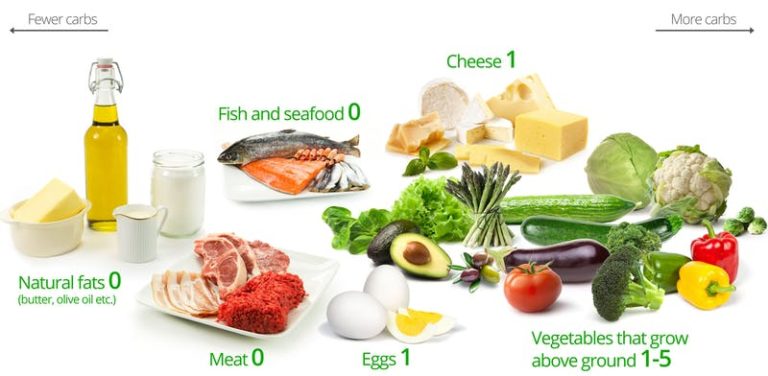
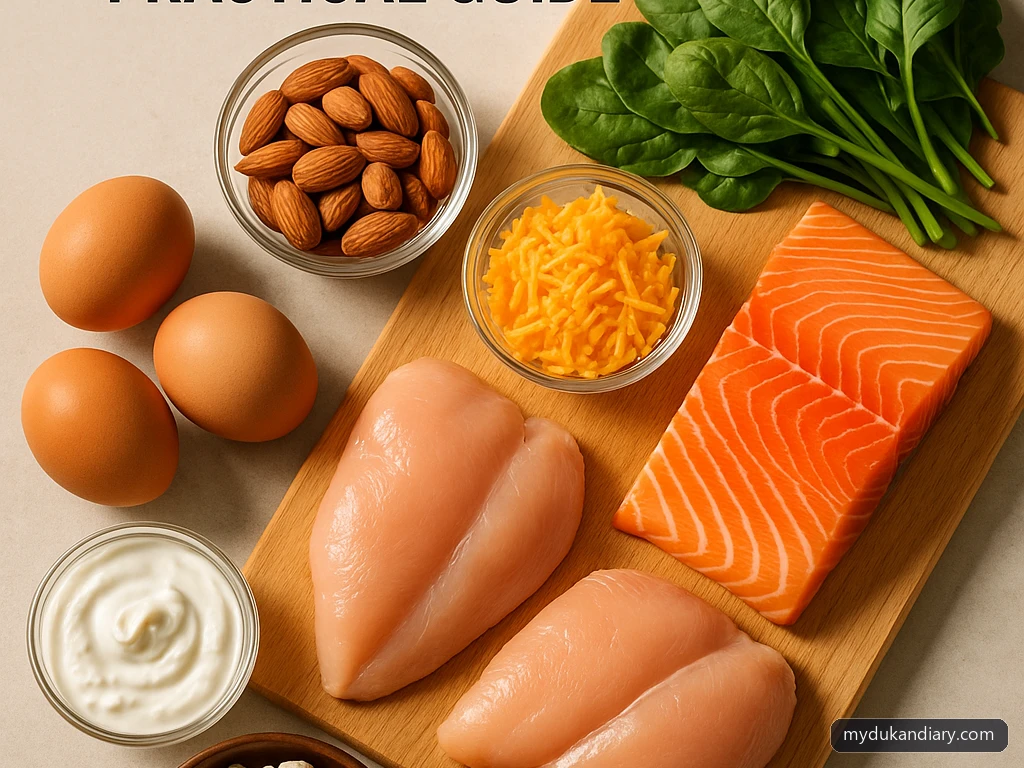
Focus on nutrient-dense protein sources, nonstarchy vegetables, healthy fats, and low-carb dairy/eggs where tolerated. Examples:
- Protein: chicken, turkey, lean beef, fatty fish, eggs, Greek yogurt, tofu/tempeh (for plant-based options).
- Vegetables: leafy greens, cauliflower, zucchini, peppers, mushrooms.
- Fats: olive oil, avocado, nuts, fatty fish; prioritize omega-3 sources.
- Low-carb swaps: cauliflower rice—try “Cilantro-lime cauliflower rice with paprika shrimp” as an example recipe; for treats consider “Sugar-free flourless high-protein brownie mug cake” or a coffee treat like “Sugar-free keto frozen whipped Dalgona coffee (Dukan-friendly)”.
Sample 1-day (moderate keto / high-protein):
- Breakfast: Omelet with spinach and feta, coffee with heavy cream (if tolerated).
- Lunch: Tuna Niçoise Salad (tuna, greens, olives, hard-boiled egg) — protein-forward.
- Snack: Greek yogurt with chia seed jam (no sugar overload).
- Dinner: Cilantro-lime cauliflower rice with paprika shrimp; side salad with olive oil.
Safety & Monitoring: Side Effects, When to See a Doctor, and Who Should Avoid These Diets
- Common short-term effects: “keto flu” (fatigue, headache), constipation, changes in bowel habits, electrolyte shifts.
- Monitor: weight, energy, kidney function if protein intake is very high, lipid panel, and blood pressure as appropriate for your medical history.
- See a clinician before starting if you are pregnant or breastfeeding, have type 1 diabetes, advanced kidney disease, take medications for diabetes or blood pressure, or have a history of eating disorders.
Scientific Evidence: Weight‑Loss Results, Metabolic Effects, and Long‑Term Outcomes
Randomized trials and systematic reviews show low-carb high-protein diets often produce faster short-term weight loss than low-fat approaches, largely due to appetite reduction and fluid loss; advantages shrink over 12 months in many studies. Some metabolic benefits (improved fasting glucose, triglycerides) are reported, but long-term sustainability and cardiovascular effects depend on food quality (types of fat and protein). For details, consult clinical reviews and guidelines available through major medical organizations and PubMed-indexed studies.
FAQ: Low‑Carb & High‑Protein Diets — Safety, Side Effects, and Practical Advice
- Can I switch between these diets? Yes. Transition gradually—e.g., move from strict Dukan or keto into a more flexible low-carb or Mediterranean-style plan to maintain weight and nutrient balance.
- Will I lose muscle? Adequate protein and resistance training preserve lean mass. Aim for 1.2–2.0 g/kg body weight depending on activity.
- Do I need supplements? Possibly—consider electrolyte support early on and discuss multivitamin or fiber if your intake is limited. Women of reproductive age should monitor iron and folate; those on restrictive plans may need B vitamins and vitamin D assessed.
Reader Q&A — Real Questions About Keto‑Style Diets Answered
Q: Which is better for rapid weight loss, Keto or Dukan?
A: Both can drive rapid initial loss; Dukan’s strict protein phases often produce quick early weight changes, while keto’s appetite-suppressing effects can lead to steady loss. Long-term success depends on adherence and transition plans.
Final Thoughts: How to Choose Between Keto and Other Low‑Carb, High‑Protein Diets
- Match the diet to your preferences (fat-forward vs protein-forward), medical needs, and social life.
- Prioritize whole foods, adequate protein, fiber from nonstarchy vegetables, and healthy fats (consider “Ways to increase omega-3 intake“).
- Plan an exit or maintenance phase to prevent rebound weight gain; consult a clinician if you have relevant medical conditions.
Author: Registered Dietitian (RD). Further reading: clinical reviews and guideline summaries available through PubMed, the American Diabetes Association, and national health services. Recipes and practical ideas referenced above are available on this site by recipe name for easy meal planning.