Healthy Homemade Pizza Recipe: A Nutritious Twist on a Classic Favorite

Pizza is one of the world’s most loved comfort foods, but it doesn’t have to be loaded with excess calories, saturated fat, and sodium. By making pizza at home, you can control the ingredients, choose healthier toppings, and enjoy a delicious meal that fits into a balanced diet.
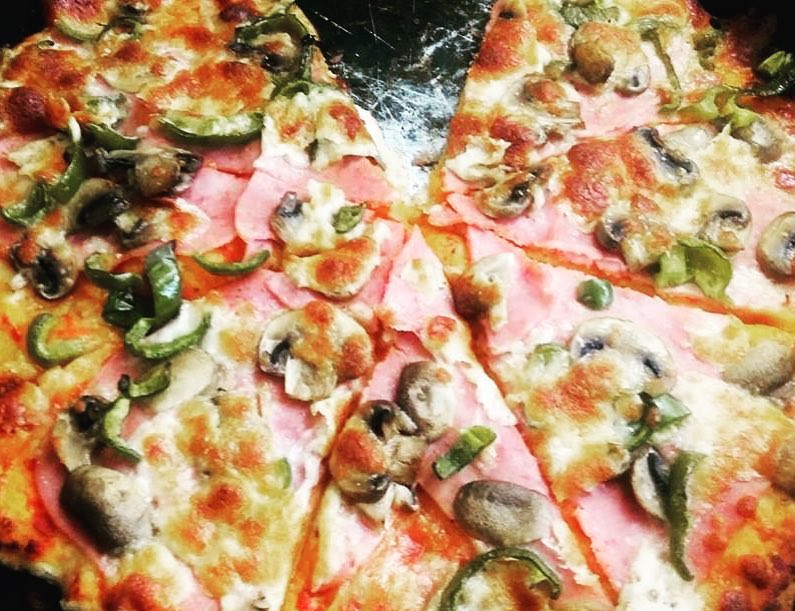
The homemade pizza shown above is topped with colorful vegetables, mushrooms, green peppers, ham, and melted cheese. With a few simple ingredient swaps, you can create a lighter pizza that’s just as satisfying.
This guide covers everything you need to know, including ingredients, step-by-step instructions, healthy topping ideas, nutrition tips, and frequently asked questions.
Why Make Homemade Pizza?
Preparing pizza from scratch offers several benefits:
- Control the quality of ingredients
- Add more vegetables
- Choose lean proteins
- Reduce sodium
- Use less cheese without sacrificing flavor
- Customize toppings for your family
- Save money compared to takeout
Ingredients
For the Pizza Dough
- 2 cups whole wheat flour
- 1 cup bread flour
- 2¼ teaspoons active dry yeast
- 1 teaspoon salt
- 1 tablespoon olive oil
- 1 cup warm water
For the Pizza Sauce
- 1 cup crushed tomatoes
- 2 cloves garlic, minced
- 1 tablespoon olive oil
- 1 teaspoon oregano
- 1 teaspoon basil
- Salt and black pepper to taste
Healthy Toppings
- 1½ cups shredded mozzarella (part-skim)
- Sliced mushrooms
- Green bell peppers
- Red onions
- Cherry tomatoes
- Fresh spinach
- Lean ham or grilled chicken
- Fresh basil
Optional:
- Black olives
- Zucchini
- Broccoli
- Turkey pepperoni
- Fresh oregano
How to Make Healthy Homemade Pizza
Step 1: Prepare the Dough
- Mix warm water, yeast, and olive oil.
- Add the flour and salt.
- Knead for 8–10 minutes until smooth.
- Let the dough rise for about 1 hour.
Step 2: Prepare the Sauce
Combine the crushed tomatoes, garlic, olive oil, oregano, basil, salt, and pepper in a saucepan.
Simmer for 15–20 minutes until slightly thickened.
Step 3: Assemble the Pizza
- Preheat the oven to 475°F (245°C).
- Roll out the dough.
- Spread a thin layer of pizza sauce.
- Sprinkle mozzarella evenly.
- Add vegetables and lean protein.
Avoid overloading the pizza, which can make the crust soggy.
Step 4: Bake
Bake for 12–15 minutes or until:
- The crust is golden brown.
- The cheese is bubbly.
- The vegetables are tender.
Allow the pizza to cool for a few minutes before slicing.
Healthy Pizza Topping Ideas
Vegetables
- Mushrooms
- Bell peppers
- Onions
- Spinach
- Tomatoes
- Broccoli
- Zucchini
- Artichokes
- Eggplant
Lean Proteins
- Grilled chicken
- Turkey breast
- Lean ham
- Shrimp
- Tuna
- Turkey pepperoni
Cheese Options
- Part-skim mozzarella
- Reduced-fat mozzarella
- Feta cheese
- Parmesan (used sparingly)
- Goat cheese
Tips for Making Pizza Healthier
Choose Whole Grain Dough
Whole wheat flour adds more fiber than refined white flour.
Add Plenty of Vegetables
Vegetables increase nutrients while adding color, flavor, and texture.
Use Cheese in Moderation
You don’t need a thick layer of cheese to make pizza delicious.
Add Lean Protein
Chicken, turkey, and seafood make filling, protein-rich toppings.
Watch Portion Sizes
Enjoy pizza alongside a fresh salad for a balanced meal.
Nutrition Benefits
A healthy homemade pizza can provide:
- Protein for muscle maintenance
- Fiber from whole grains and vegetables
- Calcium from cheese
- Vitamins A and C from colorful vegetables
- Healthy fats from olive oil
Exact nutrition depends on the crust, toppings, and serving size.
Meal Prep Tips
Pizza is perfect for meal prep.
- Prepare the dough ahead of time.
- Freeze homemade pizza dough for up to three months.
- Chop vegetables in advance.
- Bake multiple pizzas and refrigerate leftovers for quick lunches.
Frequently Asked Questions
Is homemade pizza healthier than takeout?
Often, yes. Homemade pizza allows you to control ingredients, reduce sodium, use whole-grain dough, and add more vegetables.
Can I freeze homemade pizza?
Yes. You can freeze baked pizza slices or unbaked dough for future meals.
What is the healthiest pizza crust?
Whole wheat crust is a great option because it provides more fiber. Other alternatives include cauliflower crust or crusts made with whole grains.
Can pizza be part of a healthy diet?
Absolutely. When made with wholesome ingredients and enjoyed in appropriate portions, pizza can fit into a balanced eating pattern.
What vegetables taste best on pizza?
Popular choices include mushrooms, bell peppers, onions, spinach, tomatoes, broccoli, zucchini, and olives.
How do I make pizza higher in protein?
Add grilled chicken, turkey, lean ham, shrimp, tuna, or extra vegetables paired with part-skim cheese.
Conclusion
Healthy homemade pizza proves that you don’t have to give up your favorite comfort food to eat well. By using whole-grain dough, homemade tomato sauce, fresh vegetables, lean proteins, and moderate amounts of cheese, you can enjoy a flavorful meal that’s both satisfying and nutritious. Whether you’re cooking for family dinner, meal prepping for the week, or hosting friends, homemade pizza offers endless customization while supporting a balanced lifestyle.