16/8 Intermittent Fasting Meal Plan: Your Complete 7-Day Beginner’s Guide

Intermittent fasting has become one of the most popular eating patterns for people looking to improve their health, simplify meal planning, and support weight management. Among the different fasting methods, the 16/8 intermittent fasting schedule is one of the easiest to follow.
This guide includes a simple 7-day intermittent fasting meal plan, healthy food recommendations, and practical tips to help beginners get started successfully.
What Is 16/8 Intermittent Fasting?
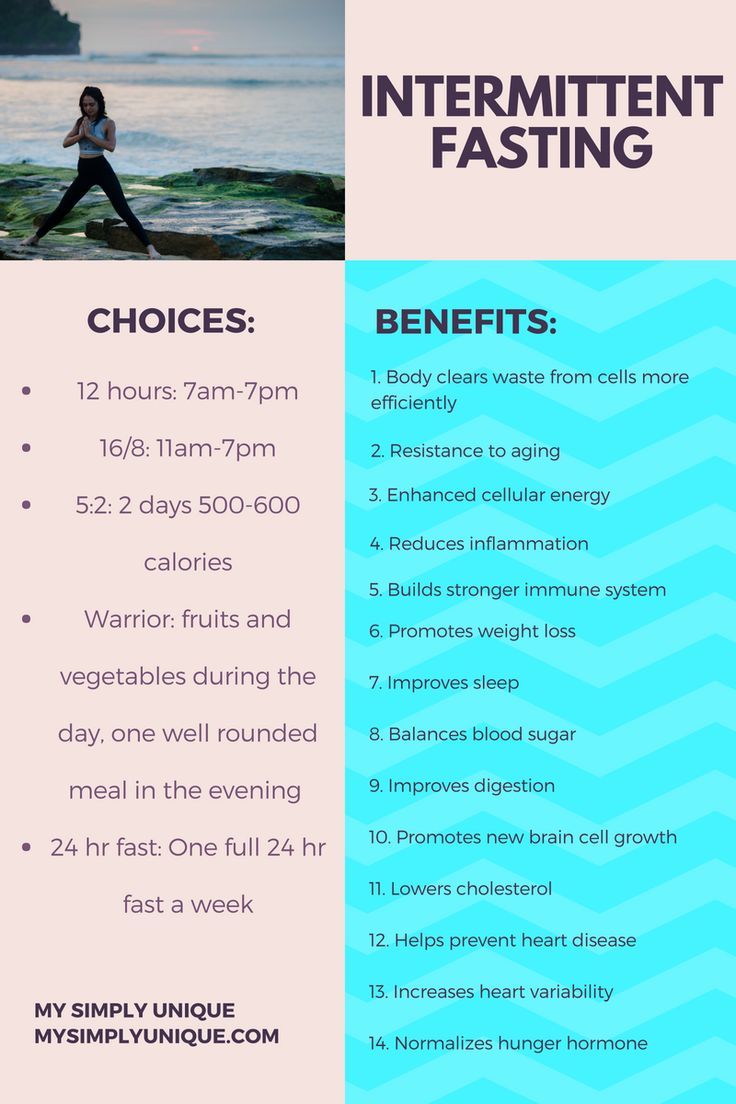
The 16/8 method involves fasting for 16 consecutive hours each day and eating all of your meals during an 8-hour eating window.
A common schedule looks like this:
- 8:00 PM: Begin fasting
- 12:00 PM: First meal (Lunch)
- 3:00 PM: Healthy snack
- 7:00 PM: Dinner
- 8:00 PM: Begin fasting again
During the fasting period, calorie-free beverages such as water, black coffee, and unsweetened tea are generally allowed.
Benefits of 16/8 Intermittent Fasting
When combined with a balanced diet, intermittent fasting may help:
- Support healthy weight management
- Improve appetite control
- Simplify meal planning
- Encourage mindful eating
- Support healthy blood sugar regulation
- Promote metabolic health
- Increase dietary consistency
Results vary between individuals, and intermittent fasting is not suitable for everyone. Consult a healthcare professional before making significant dietary changes, especially if you have a medical condition or are pregnant.
7-Day 16/8 Intermittent Fasting Meal Plan
Day 1
Morning (Fasting)
- Lemon water
- Black coffee or unsweetened tea
Lunch
- Grilled chicken avocado salad
- Olive oil vinaigrette
Snack
- Mixed nuts
Dinner
- Whole wheat pesto pasta with vegetables and grilled chicken
Day 2
Morning
- Black coffee
- Water
Lunch
- Chickpea salad with cucumbers, tomatoes, parsley, and olive oil
Snack
- Fresh fruit
Dinner
- Mexican-style tempeh with roasted vegetables
Day 3
Morning
- Black coffee
Lunch
- Tuna avocado lettuce wraps
Snack
- Hummus with carrot and celery sticks
Dinner
- Asian-inspired stir-fried vegetables with rice noodles and lean protein
Day 4
Morning
- Water or unsweetened tea
Lunch
- Broccoli tofu salad
Snack
- A small serving of dark chocolate (70% cocoa or higher)
Dinner
- Baked salmon with kale salad
Day 5
Morning
- Lemon water
Lunch
- Turkey chili
Snack
- Roasted edamame
Dinner
- Grilled chicken salad with mixed greens
Day 6
Morning
- Lemon water
Lunch
- Grilled salmon salad
Snack
- Greek yogurt with berries
Dinner
- Chicken tortilla soup (light version)
Day 7
Morning
- Black coffee
Lunch
- Quinoa Buddha bowl with grilled chicken, sprouts, and vegetables
Snack
- Plain Greek yogurt
Dinner
- Teriyaki chicken served with cauliflower rice
Healthy Foods to Include
Focus on nutrient-dense foods such as:
Lean Proteins
- Chicken breast
- Turkey
- Fish
- Eggs
- Greek yogurt
- Tofu
- Beans
Healthy Fats
- Avocados
- Olive oil
- Nuts
- Seeds
Vegetables
- Spinach
- Broccoli
- Kale
- Cucumbers
- Bell peppers
- Cauliflower
Whole Grains
- Quinoa
- Brown rice
- Oats
- Whole wheat pasta
Fruits
- Berries
- Apples
- Oranges
- Grapes
- Kiwi
Drinks During the Fasting Window
Acceptable calorie-free beverages include:
- Water
- Sparkling water (unsweetened)
- Black coffee
- Plain tea
- Herbal tea
Avoid sugary drinks, fruit juices, and beverages with added calories during the fasting period.
Tips for Success
Stay Hydrated
Drink plenty of water throughout the day.
Prioritize Protein
Protein helps support muscle maintenance and promotes fullness.
Eat Plenty of Vegetables
Vegetables provide fiber, vitamins, and minerals while keeping meals satisfying.
Avoid Overeating
Breaking your fast with balanced portions is more sustainable than consuming very large meals.
Get Enough Sleep
Good sleep supports healthy eating habits and overall well-being.
Common Mistakes to Avoid
- Skipping water during the fasting window
- Eating highly processed foods
- Consuming too little protein
- Overeating during the eating window
- Ignoring hunger and energy cues
- Expecting immediate results
Frequently Asked Questions
Can I drink coffee while fasting?
Yes. Black coffee without sugar, milk, or cream is generally compatible with most intermittent fasting approaches.
Is 16/8 intermittent fasting safe?
Many healthy adults can practice 16/8 intermittent fasting safely, but it may not be appropriate for everyone. Speak with your healthcare provider if you have diabetes, take medications, are pregnant, breastfeeding, or have a history of eating disorders.
What should I eat first after fasting?
Choose a balanced meal that includes lean protein, healthy fats, vegetables, and complex carbohydrates.
Can I exercise while fasting?
Many people tolerate light to moderate exercise during fasting. Intense workouts may be better scheduled during or after the eating window, depending on individual preference and energy levels.
Will intermittent fasting help with weight loss?
Intermittent fasting can support weight management by helping some people reduce overall calorie intake and establish consistent eating patterns. Long-term success depends on overall diet quality, physical activity, sleep, and lifestyle.
Can beginners start with 16/8?
Yes. The 16/8 schedule is often recommended as one of the simplest intermittent fasting methods for beginners because it fits easily into many daily routines.
Final Thoughts
The 16/8 intermittent fasting meal plan offers a simple framework for organizing meals while emphasizing nutritious, whole foods. By combining a consistent fasting schedule with balanced meals rich in protein, vegetables, healthy fats, and fiber, many people find it easier to maintain healthy eating habits over time.
Rather than focusing on restrictive dieting, aim for sustainable choices that fit your lifestyle and nutritional needs.