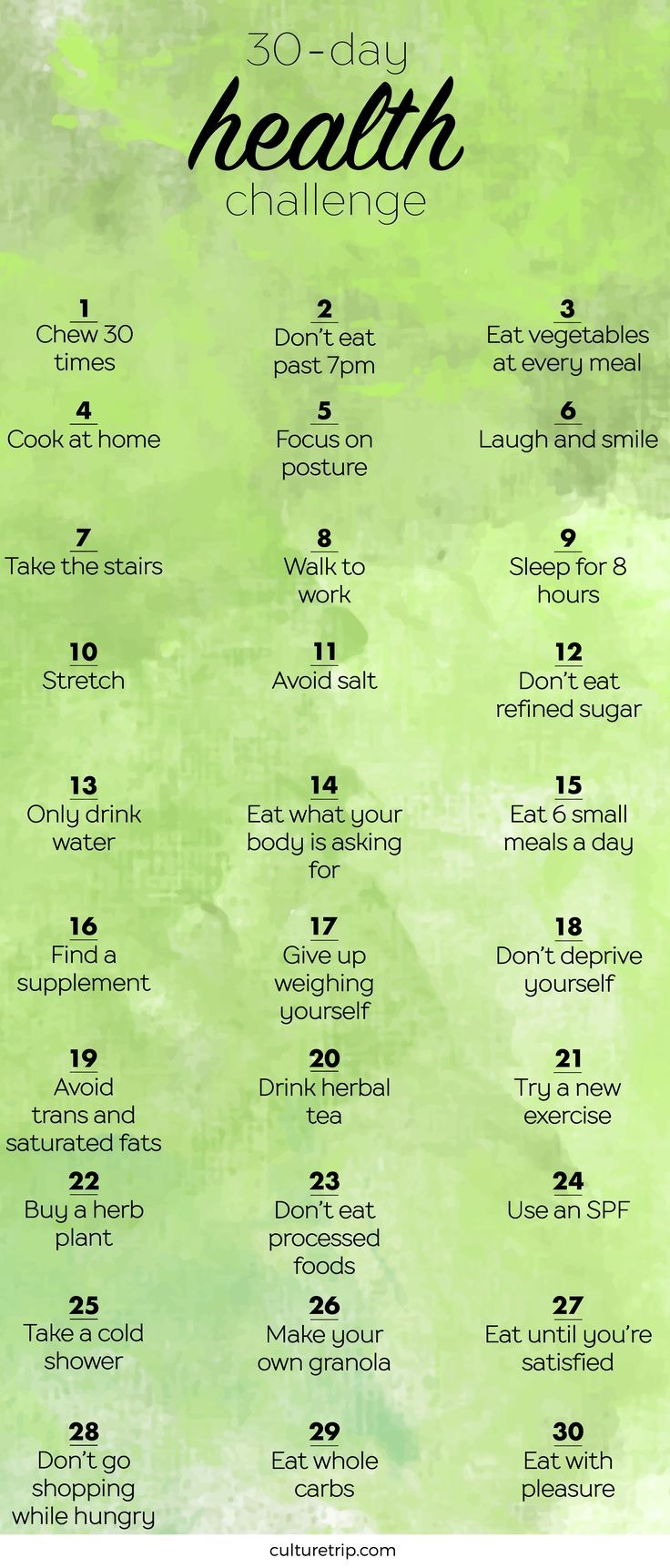
30-Day Healthy Habits Challenge: Small Daily Changes That Can Make a Big Difference

Introduction
Getting healthier doesn’t require a complete lifestyle overhaul overnight. In fact, research in behavior change suggests that small, consistent actions are often easier to maintain than dramatic transformations.
That’s the idea behind this 30-Day Healthy Habits Challenge.
Instead of following a restrictive diet or an exhausting workout plan, you’ll focus on one manageable habit each day. Over time, these habits can become part of your routine, helping you eat better, move more, sleep well, and feel your best.
This challenge isn’t about perfection. It’s about progress.
Whether your goal is to build healthier eating habits, improve your energy, reduce stress, or simply create a more balanced lifestyle, these 30 days provide a practical place to start.
Why Small Habits Work Better Than Big Changes
Many people try to change everything at once:
- New diet
- New workout
- No sugar
- No carbs
- Wake up at 5 AM
- Exercise every day
After a week, most give up—not because they’re lazy, but because the plan wasn’t sustainable.
Small habits are different.
When a behavior feels easy enough to repeat consistently, it becomes more likely to stick. Over time, those repeated actions can add up to meaningful changes.
Rather than relying on motivation every day, successful habit building focuses on creating routines that fit naturally into everyday life.
How to Use This 30-Day Challenge
Before you begin:
- Start where you are.
- Missed a day? Continue with the next one.
- Don’t aim for perfection.
- Adjust activities if needed for your health or schedule.
- Celebrate consistency rather than flawless performance.
You may even want to keep a notebook or habit tracker to record how you feel throughout the month.
Week 1: Build a Healthy Foundation
Day 1: Eat More Mindfully
Slow down during meals.
Put your fork down between bites and notice the flavors, textures, and aromas of your food.
Eating more slowly can help you recognize when you’re comfortably full and may reduce distracted eating.
Day 2: Finish Dinner Earlier
Rather than eating immediately before bed, try finishing your evening meal two to three hours before bedtime if your schedule allows.
This may improve comfort for people who experience nighttime indigestion or reflux.
Day 3: Add Vegetables to Every Main Meal
Instead of focusing on what to remove from your diet, focus on what you can add.
Aim for colorful vegetables at lunch and dinner.
Examples include:
- broccoli
- spinach
- carrots
- peppers
- tomatoes
- zucchini
Day 4: Cook One Homemade Meal
Cooking at home gives you more control over ingredients, portion sizes, and added salt or sugar.
It doesn’t have to be complicated.
Even a simple stir-fry or soup counts.
Day 5: Improve Your Posture
Spend a few minutes adjusting your sitting position.
Raise your screen to eye level.
Relax your shoulders.
Keep both feet flat on the floor.
Small posture improvements can reduce unnecessary strain during long workdays.
Day 6: Laugh More
Mental health matters too.
Watch a funny movie.
Call a friend.
Spend time with family.
Positive social interactions contribute to overall well-being.
Day 7: Take the Stairs
Look for opportunities to move naturally throughout the day.
Taking the stairs instead of the elevator adds short bursts of physical activity without requiring extra workout time.
Week 2: Nutrition and Hydration
Day 8: Walk for 30 Minutes
Walking is one of the simplest forms of exercise.
It requires no special equipment and can be adjusted to almost any fitness level.
Day 9: Prioritize Sleep
Adults generally benefit from 7–9 hours of sleep each night.
Good sleep supports:
- energy
- concentration
- recovery
- mood
Day 10: Stretch
Stretch your neck.
Shoulders.
Back.
Hamstrings.
Hips.
Five to ten minutes is enough to help improve flexibility and reduce stiffness.
Day 11: Taste Before Adding Salt
Many people automatically add salt before tasting their food.
Instead, taste first.
You may discover it doesn’t need extra seasoning.
Day 12: Replace One Sugary Snack
Swap:
- candy
with
- berries
or
- yogurt
or
- nuts
Small substitutions can gradually improve overall dietary quality.
Day 13: Drink More Water
Water supports normal body functions, including temperature regulation and digestion.
Keep a reusable water bottle nearby as a reminder to drink throughout the day.
Day 14: Practice Mindful Eating
Eat without scrolling your phone.
Turn off the TV.
Focus on your meal.
This simple habit can make eating a more enjoyable and intentional experience.
Week 3: Healthy Lifestyle Habits
Day 15: Find a Meal Pattern That Works for You
There’s no single ideal eating schedule for everyone.
Some people prefer three meals a day.
Others enjoy smaller, more frequent meals.
Choose a routine that fits your hunger cues, lifestyle, and any medical advice you’ve received.
Day 16: Review Your Supplements
Supplements aren’t automatically necessary.
If you’re considering taking vitamins or minerals, talk with a healthcare professional to determine whether they’re appropriate for your individual needs.
Day 17: Stop Obsessing Over the Scale
Your weight can naturally fluctuate from day to day.
Instead of weighing yourself constantly, pay attention to other signs of progress, such as:
- better sleep
- improved energy
- increased strength
- healthier eating habits
- improved endurance
Day 18: Let Go of Food Guilt
No single food determines your health.
Enjoy favorite treats occasionally without labeling yourself as “good” or “bad.”
A balanced eating pattern matters more than one meal.
Day 19: Choose Healthier Fats
Include foods like:
- olive oil
- avocado
- walnuts
- almonds
- seeds
These can replace foods high in saturated fat in some meals.
Day 20: Try Herbal Tea
Replace one sugary drink with:
- peppermint tea
- chamomile
- rooibos
- ginger tea
If you have health conditions or take medications, check whether specific herbal teas are suitable for you.
Day 21: Try Something New
Physical activity doesn’t have to mean the gym.
Consider:
- swimming
- dancing
- yoga
- cycling
- hiking
- pickleball
- Pilates
Finding activities you enjoy makes consistency easier.
Week 4: Build Habits That Last
Day 22: Grow Fresh Herbs
Growing basil, parsley, mint, or chives can encourage home cooking and add fresh flavor to meals.
Day 23: Choose Less Processed Foods
Aim to prepare one meal using mostly minimally processed ingredients such as vegetables, legumes, whole grains, eggs, fish, or lean meats.
Day 24: Protect Your Skin
Apply sunscreen before spending extended time outdoors.
Sun protection is an important part of long-term skin health.
Day 25: Spend Time Outdoors
Even a short walk in a park or around your neighborhood can provide a welcome break from screens and daily stress.
Day 26: Prepare a Healthy Breakfast
Ideas include:
- oatmeal with berries
- Greek yogurt and fruit
- avocado toast
- veggie omelet
- smoothie with spinach and yogurt
Day 27: Eat Until Comfortably Satisfied
Instead of finishing everything on your plate automatically, pause and check in with your hunger level.
Day 28: Never Grocery Shop Hungry
Shopping while very hungry can make impulse purchases more tempting.
Having a simple shopping list may also help you stay focused.
Day 29: Choose More Whole Grains
Replace refined grains when possible with:
- oats
- brown rice
- quinoa
- barley
- whole-wheat bread
Whole grains generally provide more fiber and nutrients than refined grains.
Day 30: Reflect and Celebrate
Look back on the month.
Ask yourself:
- Which habits felt easiest?
- Which ones improved your daily routine?
- Which three habits will you continue next month?
Lasting change comes from repeating the habits that work best for you.
How Long Does It Take to Build a Habit?
There’s no universal timeline. Habit formation varies depending on the person, the behavior, and the context. Rather than aiming to “finish” in 30 days, think of this challenge as a starting point for routines you can continue over the long term.
What If You Miss a Day?
Missing one day doesn’t erase your progress.
Avoid the “all-or-nothing” mindset.
Simply continue with the next day’s habit.
Consistency over time matters more than perfection.
Frequently Asked Questions
Do I have to complete the habits in order?
No. You can start with the habits that feel most realistic and adapt the sequence to your schedule.
Is this challenge designed for weight loss?
Not specifically. The focus is on building sustainable healthy habits that support overall well-being. Weight changes, if any, depend on many factors.
Can beginners follow this challenge?
Yes. Most habits are simple and can be adjusted to different fitness levels and lifestyles.
Should I avoid all processed foods?
No. The goal is not perfection but choosing minimally processed foods more often when practical.
Do I need special equipment?
No. This challenge relies on everyday actions rather than expensive products or gym equipment.
Can I repeat the challenge?
Absolutely. Many people revisit the challenge and focus on strengthening the habits they found most valuable.
Final Thoughts
Improving your health doesn’t have to involve drastic changes or complicated rules. Small, consistent actions—like cooking one meal at home, taking a short walk, drinking more water, or getting enough sleep—can add up over time. Use this 30-day challenge as a flexible guide, celebrate your progress, and carry forward the habits that genuinely fit your lifestyle. Over the long run, sustainable routines are far more powerful than short bursts of motivation.


