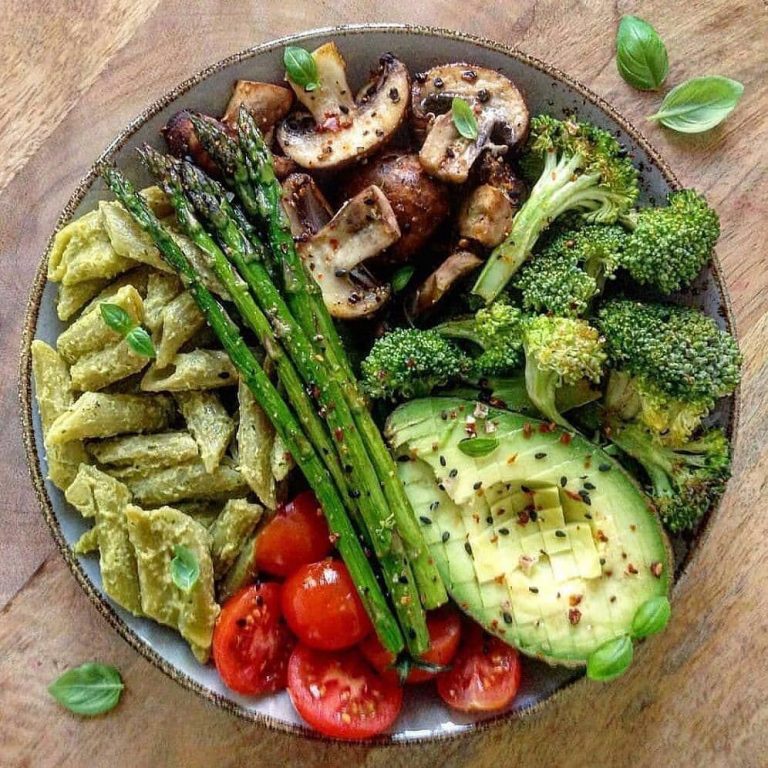
7-Day Healthy Meal Plan for a Flatter Stomach

Starting a healthier lifestyle doesn’t require expensive supplements, extreme diets, or eliminating entire food groups. Often, the most effective changes come from eating balanced meals, planning ahead, and choosing nutrient-rich foods that keep you satisfied throughout the day.
This 7-day meal plan is built around lean proteins, whole grains, fruits, vegetables, healthy fats, and fiber-rich foods. Together, these foods can help support healthy weight management, stabilize energy levels, and reduce the temptation to snack on highly processed foods.
Remember that everyone’s calorie needs are different depending on age, activity level, sex, and health goals. Use this plan as inspiration and adjust portion sizes to fit your individual needs.
Why This Meal Plan Works
Rather than focusing on restrictive eating, this meal plan emphasizes balance.
Each day includes:
- Lean protein to support muscle maintenance and keep you full.
- High-fiber carbohydrates for steady energy.
- Healthy fats that promote satiety.
- Plenty of colorful vegetables.
- Fruits rich in vitamins and antioxidants.
- Minimal highly processed foods.
- Water and unsweetened beverages instead of sugary drinks.
A combination of these habits may help create a calorie deficit over time when appropriate, which is the primary driver of fat loss.
Foods to Eat More Often
Choose these nutrient-dense foods throughout the week:
Lean Proteins
- Chicken breast
- Turkey
- Salmon
- Tuna
- Eggs
- Greek yogurt
- Cottage cheese
- Beans
- Lentils
- Tofu
Vegetables
- Spinach
- Kale
- Broccoli
- Cauliflower
- Zucchini
- Bell peppers
- Cucumbers
- Tomatoes
- Carrots
- Green beans
Fruits
- Apples
- Blueberries
- Strawberries
- Raspberries
- Oranges
- Kiwi
- Pears
Whole Grains
- Oats
- Brown rice
- Quinoa
- Whole grain bread
- Whole wheat pasta
Healthy Fats
- Avocado
- Olive oil
- Almonds
- Walnuts
- Chia seeds
- Flaxseed
- Pumpkin seeds
Foods to Limit
No food has to be completely off-limits, but limiting these items can help improve overall diet quality:
- Sugary drinks
- Candy
- Pastries
- Chips
- Fried foods
- Highly processed meats
- Excess alcohol
- Large portions of desserts
Day 1
Breakfast
Greek yogurt topped with blueberries, strawberries, and one tablespoon of chia seeds.
Morning Snack
One apple with a handful of almonds.
Lunch
Grilled chicken breast over mixed greens with cucumber, tomatoes, avocado, olive oil, and lemon dressing.
Afternoon Snack
Baby carrots with hummus.
Dinner
Baked salmon served with roasted broccoli and quinoa.
Day 2
Breakfast
Oatmeal made with milk, topped with banana slices, walnuts, and cinnamon.
Morning Snack
A boiled egg.
Lunch
Turkey and avocado whole-grain wrap with spinach and tomatoes.
Afternoon Snack
Greek yogurt.
Dinner
Chicken stir-fry with broccoli, carrots, mushrooms, and brown rice.
Day 3
Breakfast
Vegetable omelet with spinach, mushrooms, and tomatoes served alongside whole-grain toast.
Morning Snack
Orange slices.
Lunch
Quinoa salad with chickpeas, cucumbers, cherry tomatoes, parsley, and feta cheese.
Afternoon Snack
Mixed berries.
Dinner
Grilled shrimp with asparagus and roasted sweet potatoes.
Day 4
Breakfast
Green smoothie made with spinach, banana, frozen berries, Greek yogurt, and unsweetened almond milk.
Morning Snack
Handful of walnuts.
Lunch
Lentil soup served with a mixed green salad.
Afternoon Snack
Pear slices.
Dinner
Lean turkey meatballs with zucchini noodles and homemade tomato sauce.
Day 5
Breakfast
Overnight oats with oats, milk, chia seeds, blueberries, and cinnamon.
Morning Snack
Hard-boiled egg.
Lunch
Grilled salmon salad with avocado and mixed greens.
Afternoon Snack
Apple with peanut butter.
Dinner
Chicken breast served with roasted Brussels sprouts and brown rice.
Day 6
Breakfast
Whole grain toast topped with avocado and poached eggs.
Morning Snack
Greek yogurt with raspberries.
Lunch
Tuna salad stuffed into whole wheat pita bread.
Afternoon Snack
Mixed nuts.
Dinner
Grilled cod served with steamed green beans and quinoa.
Day 7
Breakfast
Chia pudding topped with strawberries and kiwi.
Morning Snack
Fresh orange.
Lunch
Mediterranean chicken bowl with brown rice, cucumber, tomatoes, olives, and tzatziki.
Afternoon Snack
Cottage cheese with berries.
Dinner
Lean beef stir-fry with colorful vegetables served over cauliflower rice.
Grocery List
Proteins
- Chicken breast
- Turkey breast
- Salmon
- Shrimp
- Tuna
- Eggs
- Greek yogurt
- Cottage cheese
- Chickpeas
- Lentils
Vegetables
- Spinach
- Kale
- Broccoli
- Cauliflower
- Zucchini
- Bell peppers
- Tomatoes
- Cucumbers
- Carrots
- Green beans
- Mushrooms
- Brussels sprouts
Fruits
- Apples
- Bananas
- Oranges
- Blueberries
- Strawberries
- Raspberries
- Kiwi
- Pears
Whole Grains
- Oats
- Brown rice
- Quinoa
- Whole grain bread
- Whole wheat wraps
Healthy Fats
- Olive oil
- Avocados
- Almonds
- Walnuts
- Chia seeds
- Peanut butter
Meal Prep Tips
Preparing food in advance makes healthy eating much easier.
Try these strategies:
- Grill several chicken breasts at once.
- Cook a large batch of brown rice or quinoa.
- Wash and chop vegetables ahead of time.
- Portion nuts into snack-size containers.
- Prepare overnight oats for several mornings.
- Freeze smoothie ingredients in individual bags.
- Hard-boil several eggs for quick snacks.
Healthy Lifestyle Habits That Support Weight Loss
Nutrition is only one part of the equation.
Consider these habits as well:
- Aim for at least 150 minutes of moderate physical activity each week.
- Include strength training two or more days weekly.
- Sleep 7–9 hours most nights.
- Drink enough water throughout the day.
- Eat slowly and pay attention to hunger and fullness cues.
- Manage stress through walking, meditation, or hobbies you enjoy.
Frequently Asked Questions
Can I lose belly fat in 7 days?
You may notice changes in bloating or water retention within a week, but meaningful fat loss takes longer. It’s also not possible to target fat loss from only the abdominal area.
Is this meal plan suitable for weight loss?
It can support weight loss if it helps you maintain an appropriate calorie intake for your needs. Portion sizes should be adjusted based on your age, activity level, and health goals.
Can vegetarians follow this plan?
Yes. Replace meat and fish with beans, lentils, tofu, tempeh, or other plant-based protein sources.
Can I swap meals?
Absolutely. Mix and match breakfasts, lunches, dinners, and snacks while keeping the overall balance of protein, fiber, and healthy fats.
What should I drink?
Water should be your primary beverage. Unsweetened tea, coffee, and sparkling water can also fit into a healthy eating pattern.
Should I avoid carbohydrates?
No. Whole-grain carbohydrates, fruits, vegetables, and legumes provide fiber, vitamins, minerals, and sustained energy. The focus should be on choosing minimally processed carbohydrate sources.
Conclusion
A healthy meal plan isn’t about perfection—it’s about creating sustainable habits you can maintain over time. By choosing balanced meals rich in protein, fiber, healthy fats, and whole foods, you can support healthy weight management while enjoying satisfying, flavorful meals.
Remember that lasting results come from consistency rather than quick fixes. Pair this 7-day meal plan with regular physical activity, adequate sleep, and mindful eating, and you’ll build a strong foundation for long-term health and wellness.