How to Build a Healthy Buddha Bowl: The Ultimate Guide

Buddha bowls have become one of the most popular healthy meals because they combine fresh vegetables, whole grains, lean proteins, and healthy fats in one colorful, satisfying bowl. They’re easy to customize, ideal for meal prep, and suitable for many eating styles, including vegetarian, vegan, gluten-free, and high-protein diets.
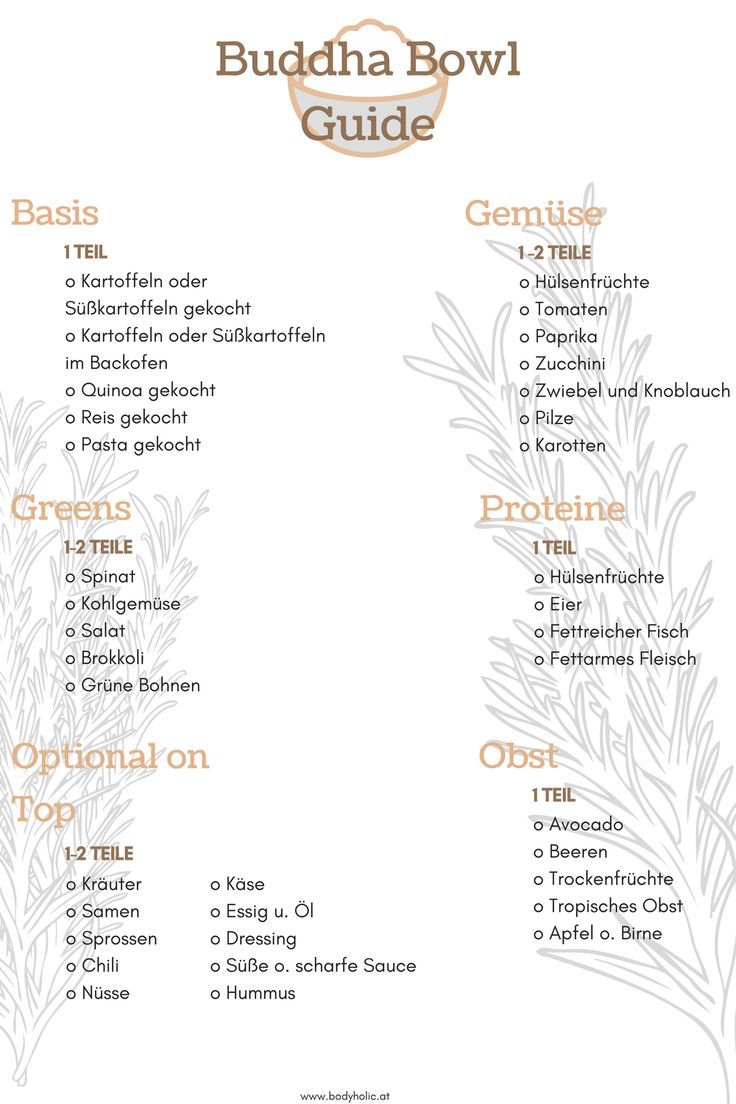
The guide in the image above outlines the key components of a balanced Buddha bowl, including a carbohydrate base, vegetables, leafy greens, protein, optional toppings, and fruit. While fruit is less common in savory Buddha bowls, ingredients like avocado or berries can add flavor and texture depending on the recipe.
What Is a Buddha Bowl?
A Buddha bowl is a balanced meal served in a bowl that typically includes:
- Whole grains or starchy vegetables
- Leafy greens
- Colorful vegetables
- Protein
- Healthy fats
- Flavorful toppings and dressing
The goal is to create a meal that is nutritious, filling, and visually appealing.
Benefits of Eating Buddha Bowls
A well-balanced Buddha bowl can offer several nutritional benefits:
- Rich in vitamins and minerals
- High in dietary fiber
- Provides a balance of carbohydrates, protein, and healthy fats
- Supports meal planning and portion control
- Easy to customize for different dietary needs
- Great for lunch, dinner, or meal prep
Step 1: Choose Your Base
The base provides energy through complex carbohydrates.
Healthy options include:
- Brown rice
- Quinoa
- Sweet potatoes
- Roasted potatoes
- Whole wheat pasta
- Farro
- Barley
Aim for about ¼ of your bowl to consist of your chosen base.
Step 2: Add Leafy Greens
Leafy greens increase fiber and micronutrients while adding volume.
Great choices include:
- Spinach
- Kale
- Mixed salad greens
- Arugula
- Romaine lettuce
- Swiss chard
Use fresh or lightly cooked greens depending on your preference.
Step 3: Add Colorful Vegetables
Vegetables provide antioxidants, vitamins, minerals, and texture.
Excellent choices include:
- Broccoli
- Bell peppers
- Carrots
- Zucchini
- Mushrooms
- Tomatoes
- Cucumbers
- Roasted cauliflower
- Green beans
Try to include several different colors for nutritional variety.
Step 4: Choose a Protein
Protein helps keep you satisfied and supports muscle maintenance.
Healthy protein options include:
Animal-Based
- Chicken breast
- Turkey
- Salmon
- Tuna
- Eggs
- Lean beef
Plant-Based
- Chickpeas
- Lentils
- Black beans
- Edamame
- Tofu
- Tempeh
Aim for 20–30 grams of protein per meal if it aligns with your nutritional needs.
Step 5: Add Healthy Fats
Healthy fats enhance flavor and help absorb fat-soluble vitamins.
Include one or two of the following:
- Avocado
- Olive oil
- Pumpkin seeds
- Sunflower seeds
- Almonds
- Walnuts
- Tahini
Step 6: Finish with Toppings
Flavorful toppings add texture and make the bowl more enjoyable.
Popular toppings include:
- Fresh herbs
- Sesame seeds
- Sprouts
- Hummus
- Crumbled feta
- Goat cheese
- Chili flakes
- Roasted nuts
Healthy Dressing Ideas
Choose dressings made with wholesome ingredients.
Simple options include:
Lemon Tahini Dressing
- Tahini
- Lemon juice
- Garlic
- Water
- Black pepper
Greek Yogurt Dressing
- Greek yogurt
- Lemon
- Dill
- Garlic
Olive Oil Vinaigrette
- Olive oil
- Apple cider vinegar
- Dijon mustard
- Herbs
Use dressings in moderation to avoid excessive calories.
Easy Buddha Bowl Recipes
Mediterranean Buddha Bowl
- Quinoa
- Grilled chicken
- Cucumber
- Cherry tomatoes
- Olives
- Feta cheese
- Tzatziki
Vegan Buddha Bowl
- Brown rice
- Roasted chickpeas
- Broccoli
- Sweet potatoes
- Avocado
- Tahini dressing
High-Protein Bowl
- Brown rice
- Grilled salmon
- Spinach
- Edamame
- Carrots
- Sesame seeds
Mexican Buddha Bowl
- Brown rice
- Black beans
- Corn
- Tomatoes
- Avocado
- Salsa
- Cilantro
Meal Prep Tips
Buddha bowls are ideal for weekly meal prep.
To save time:
- Cook grains in large batches.
- Roast vegetables together.
- Prepare protein in advance.
- Store dressing separately.
- Assemble bowls before serving.
Properly stored ingredients generally keep well in the refrigerator for several days.
Common Mistakes
Avoid these common errors:
- Using too little protein
- Adding excessive dressing
- Skipping vegetables
- Using only refined carbohydrates
- Forgetting healthy fats
Balance is more important than perfection.
Frequently Asked Questions
Are Buddha bowls healthy?
Yes. Buddha bowls can be highly nutritious when they include a balance of whole grains, vegetables, lean protein, and healthy fats.
Can I eat a Buddha bowl every day?
Yes. Varying your ingredients helps provide a wider range of nutrients and keeps meals interesting.
Are Buddha bowls good for weight management?
They can support healthy eating and portion control when prepared with nutrient-dense ingredients and appropriate serving sizes.
What’s the best protein for a Buddha bowl?
Chicken, salmon, eggs, tofu, lentils, chickpeas, and tempeh are all excellent choices.
Can Buddha bowls be vegan?
Absolutely. Replace animal proteins with legumes, tofu, tempeh, or edamame.
Can I prepare Buddha bowls ahead of time?
Yes. Buddha bowls are one of the most convenient meals for meal prepping throughout the week.
Conclusion
Buddha bowls are a simple, flexible way to enjoy balanced nutrition in one meal. By combining whole grains, colorful vegetables, leafy greens, quality protein, healthy fats, and flavorful toppings, you can create endless healthy combinations for lunch or dinner. Whether you’re meal prepping for the week or making a quick weeknight meal, Buddha bowls offer both convenience and nutrition.