How My Dad Taught Me the Best Way to Boil an Egg — Perfect

By My Dukan Diary Kitchen — Published: 2024 — Updated: 2026-08-20
TL;DR: Learn how to make the perfect soft-boiled egg every time with my dad’s simple method — firm whites, runny yolks, and consistent results. This post includes exact timings by egg size, troubleshooting, and safety notes.
Ingredients & Equipment (What You’ll Need to Boil the Perfect Egg)
- Fresh eggs (small, medium, large or extra-large)
- Small-to-medium saucepan with lid
- Cold tap water
- Timer or phone
- Large bowl with ice water (ice bath)
- Optional: teaspoon white vinegar or 1/2 teaspoon salt (helps if shells crack)
Step-by-Step: How to Boil the Perfect Egg — Soft, Medium & Hard


- Place eggs in the pan: Arrange eggs in a single layer and cover with cold water by about 1 inch.
- Bring to a rolling boil: Put the pan over medium-high heat and wait until the water reaches a full rolling boil.
- Start timing at the boil: As soon as the water boils, reduce heat to maintain a gentle boil and start your timer. (This is my dad’s reliable method.)
- Use these timing targets for soft to hard yolks:
- Soft (runny yolk): Small 3–3.5 min • Medium 3.5–4 min • Large 4–5 min • X-Large 5–6 min
- Medium (jammy): Small 4–5 min • Medium 5–6 min • Large 6–7 min
- Hard (fully set yolk): Large 9–12 min
- Ice bath immediately: Transfer eggs to an ice water bath the moment the timer ends. Leave 3–5 minutes for soft eggs, 5–10 minutes for firmer eggs. The ice bath stops cooking and eases peeling.
- Peel and enjoy: Tap, roll, then peel under running water or crack and slice for the perfect presentation.
Alternate: If you prefer dropping eggs into already boiling water, subtract about 30–60 seconds from the times above for similar results.
Note on altitude: At high elevations (roughly above 3,000 ft), water boils at a lower temperature — add ~30–60 seconds to reach the same yolk set.
Why This Method Works (Science, Tips & Troubleshooting)
Timing from the moment the water boils gives consistent heat transfer through the shell and into the white and yolk. The immediate ice bath halts carryover cooking so yolks remain soft.
Troubleshooting: Common Issues & Fixes

- Cracked shells: Add a teaspoon of vinegar or 1/2 teaspoon salt to the water before boiling to help coagulate leaking whites; cook quickly and transfer to the ice bath.
- Grey-green yolk ring: This is a sign of overcooking. Use an ice bath and slightly shorten your time next round.
- Hard-to-peel eggs: Slightly older eggs peel easier than very fresh ones. The ice bath and gentle peeling under running water also help.
- Safety: Soft-boiled eggs have runny yolks; the USDA and FDA advise fully cooked eggs for people who are pregnant, elderly, very young, or immunocompromised.
Serving Suggestions
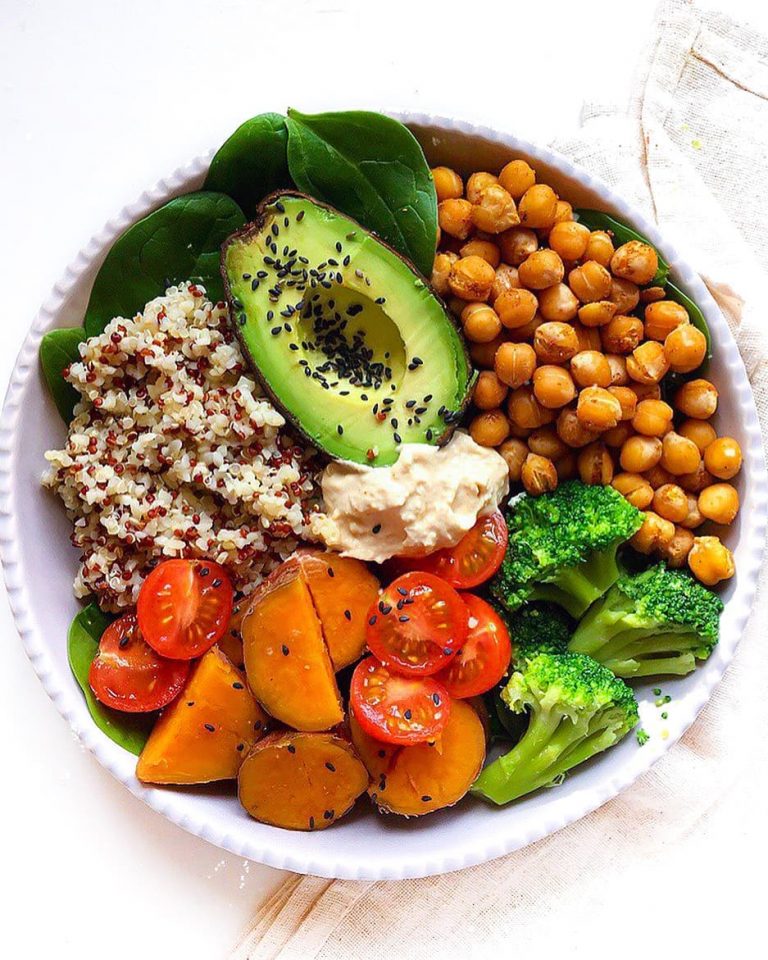
Serve soft-boiled eggs on buttered toast, ramen, or alongside a healthy breakfast plate with eggs, sautéed mushrooms and avocado. Perfect boiled eggs also shine in a classic Tuna Niçoise salad or as a high-protein option for low-carb diets — read more on how eggs fit into low-carb and high-protein diets or ways to increase your omega-3 intake for egg nutrition ideas.
Photo suggestions & accessible alt text
- Photo: soft-boiled egg halved — alt text: “cross-section of soft-boiled egg showing runny golden yolk and set white”.
- Photo: ice bath with eggs — alt text: “eggs cooling in a bowl of ice water after boiling”.
- Caption tips: include visual cues like yolk wobble and white firmness for visually descriptive guidance.
Quick FAQ
- Can I cook from room temperature? Yes — room-temperature eggs shorten time slightly. Fridge-cold eggs take a bit longer.
- Are runny yolks safe? For most healthy adults, yes; follow USDA/FDA advice for at-risk groups.
- How many eggs can I cook at once? Use a pan large enough to keep a single layer so eggs heat evenly.
Sources: USDA food safety guidance and FDA recommendations on egg handling; Serious Eats egg science guides for timing and technique (referenced for method accuracy).
Schema & site notes: Add Recipe or HowTo structured data with prep/cook times, yield, and images to improve search results; set canonical tags and an updated date in your CMS.
Please try my dad’s method and tell us in the comments how you like your eggs — leave a rating and share your timing tweaks. Updated with altitude notes, size-based times, and safety sources.