Vegan, Vegetarian, Pescatarian or Omnivore: Which Diet Is Healthiest?

Choosing a healthy diet can feel surprisingly complicated. One person avoids all animal products, another eats eggs and dairy but no meat, someone else includes fish, while many people prefer a varied diet that contains both plant and animal foods.
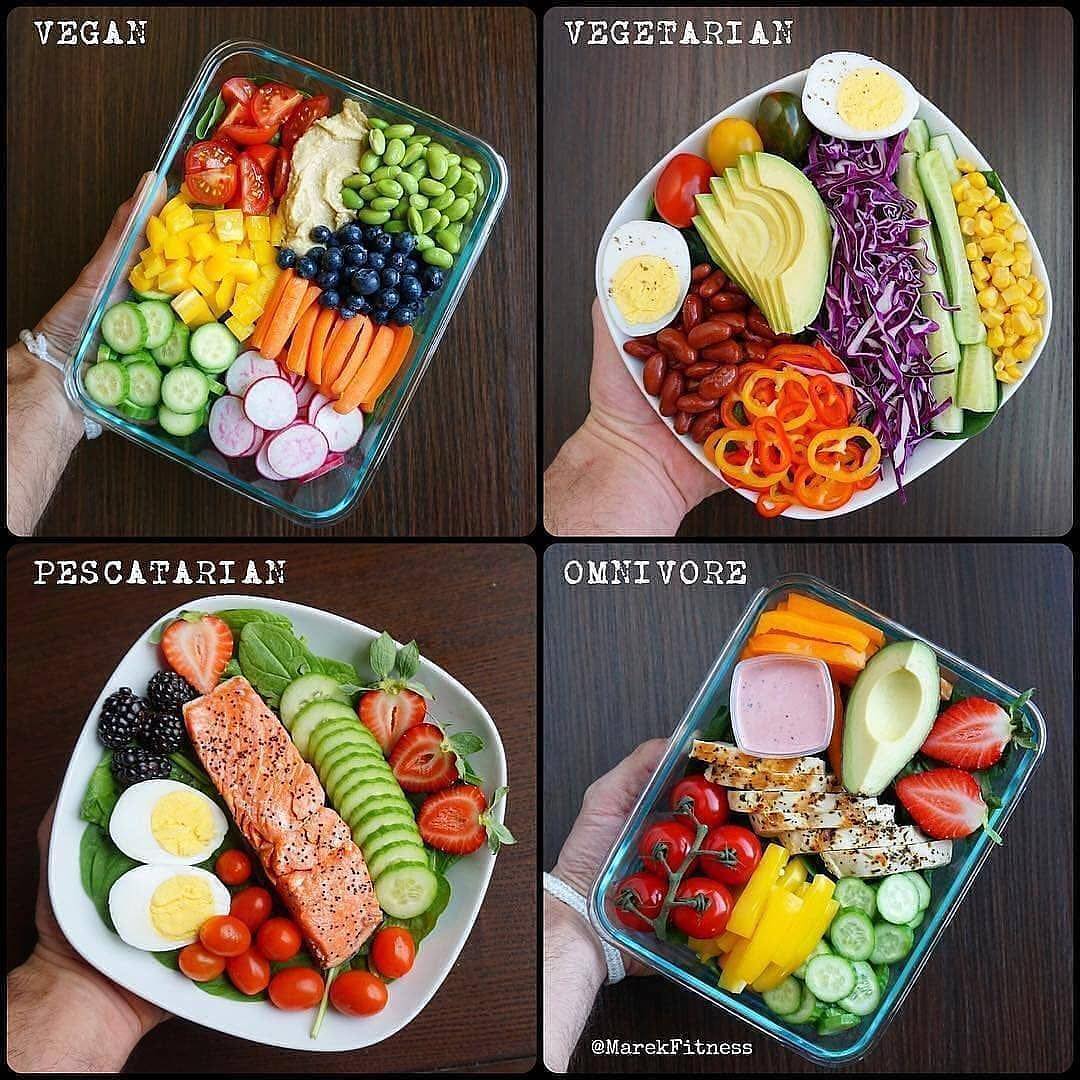
The image above illustrates four common eating patterns: vegan, vegetarian, pescatarian, and omnivore. But is one of them automatically healthier than the others?
The short answer is no. A healthy diet is determined less by the label and more by the quality, variety, and balance of the foods you regularly eat.
A vegan diet can be highly nutritious, but it needs attention to nutrients such as vitamin B12, iron, iodine, calcium, vitamin D, and omega-3 fats. A vegetarian diet can provide plenty of plant foods while including eggs or dairy. A pescatarian diet combines plant foods with fish and seafood, while an omnivorous diet can also be healthy when it emphasizes minimally processed foods, vegetables, whole grains, legumes, nuts, seeds, and appropriate portions of animal foods.
So, rather than asking “Which diet is best?”, a more useful question is:
Which eating pattern gives me enough nutrients, includes mostly minimally processed foods, and is realistic for me to maintain long term?
What Are the Four Eating Patterns?
Before comparing them, it helps to understand what each term means.
1. Vegan Diet
A vegan diet excludes foods derived from animals. This generally means avoiding:
- Meat
- Poultry
- Fish and seafood
- Eggs
- Milk and dairy products
- Other animal-derived foods
A well-planned vegan diet can contain large amounts of vegetables, fruit, beans, lentils, whole grains, nuts, seeds, and fortified plant-based foods.
However, because certain nutrients are naturally concentrated in animal foods, nutritional planning is particularly important.
Vitamin B12 is the major example. Reliable vitamin B12 intake through fortified foods or an appropriate supplement is essential for people following a vegan diet.
2. Vegetarian Diet
A vegetarian diet excludes meat and seafood but may include certain animal products.
There are several variations. For example:
- Lacto-ovo vegetarian: includes dairy and eggs
- Lacto-vegetarian: includes dairy but not eggs
- Ovo-vegetarian: includes eggs but not dairy
Because eggs and dairy can provide protein, calcium, vitamin B12, and other nutrients, some vegetarian diets can be easier to balance nutritionally than strictly vegan diets.
That doesn’t automatically make vegetarian diets healthier, though. A vegetarian diet based heavily on refined grains, sweets, fried foods, and highly processed meat substitutes is not necessarily nutritious.
3. Pescatarian Diet
A pescatarian diet generally excludes meat and poultry while allowing fish and seafood. Many pescatarians also eat eggs and dairy.
This pattern can be particularly useful for people who want to eat predominantly plant-based while retaining fish as a source of nutrients such as:
- Protein
- Vitamin B12
- Iodine
- Selenium
- Omega-3 fatty acids
Fatty fish such as salmon, sardines, trout, and mackerel are especially rich in the long-chain omega-3 fats EPA and DHA.
However, fish consumption should still be varied, and people should follow local guidance concerning mercury exposure, particularly during pregnancy and for children.
4. Omnivorous Diet
An omnivorous diet includes both plant and animal foods.
That can mean anything from a highly processed diet dominated by fast food and sugary drinks to a Mediterranean-style pattern rich in vegetables, legumes, whole grains, olive oil, fish, nuts, and moderate amounts of other animal foods.
Therefore, simply describing a diet as “omnivore” tells us very little about its nutritional quality.
An omnivorous diet can be extremely healthy—or extremely unhealthy.
The same principle applies to vegan, vegetarian, and pescatarian diets.
Which Diet Is Healthiest?
There is no single eating pattern that is proven to be universally best for every person.
Instead, research consistently supports dietary patterns that emphasize vegetables, fruits, whole grains, legumes, nuts and seeds, and other minimally processed foods, while limiting excess added sugars, sodium, and unhealthy sources of saturated and trans fats.
This is one reason dietary patterns such as the Mediterranean diet are frequently associated with favorable cardiovascular and metabolic outcomes.
Interestingly, the Mediterranean pattern isn’t defined by completely eliminating animal foods. Fish and seafood can have a regular place, while other animal foods may be consumed in smaller amounts.
This illustrates an important point:
Healthy eating doesn’t necessarily require eliminating an entire food group.
What All Four Diets Can Have in Common
Look at the four meals in the image. Although they represent different dietary preferences, there is an important similarity: the meals contain a lot of colorful plant foods.
That may be more important than the label attached to the diet.
A nutritious eating pattern can emphasize:
Vegetables
Leafy greens, broccoli, peppers, tomatoes, carrots, cabbage, cauliflower, zucchini, and other vegetables provide fiber and a wide range of micronutrients and plant compounds.
Fruit
Whole fruits provide fiber, vitamins, minerals, and naturally occurring sugars. Berries, apples, oranges, kiwi, bananas, and other fruits can all fit into a healthy diet.
Legumes
Beans, lentils, chickpeas, peas, and soy foods are valuable sources of protein and fiber.
Whole grains
Oats, brown rice, quinoa, barley, whole-grain bread, and other minimally processed grains can provide carbohydrates, fiber, vitamins, and minerals.
Nuts and seeds
Almonds, walnuts, chia seeds, flaxseeds, pumpkin seeds, and similar foods provide unsaturated fats and other nutrients.
Protein-rich foods
Depending on the dietary pattern, protein can come from beans, lentils, tofu, tempeh, eggs, yogurt, fish, seafood, poultry, or other foods.
Are Plant-Based Diets Healthier?
A well-planned plant-based diet can offer significant nutritional advantages.
People who eat predominantly plant foods often consume more fiber, fruits, vegetables, legumes, and whole grains. Plant-based diets can also be relatively low in saturated fat when they emphasize minimally processed foods.
But “plant-based” doesn’t automatically mean healthy.
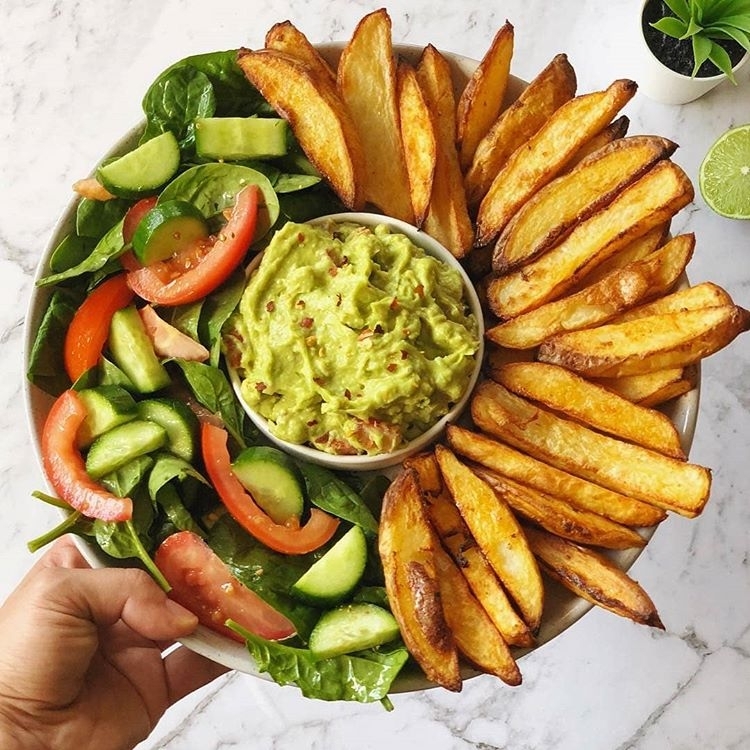
French fries are plant-based. Many sugary cereals are plant-based. Some cookies and highly processed snack foods are plant-based.
Likewise, a vegan diet based heavily on refined carbohydrates and ultra-processed foods may not provide the same nutritional benefits as a varied diet based on whole or minimally processed foods.
The quality of the food matters.
What About Protein?
Protein is often one of the first concerns people have when comparing these diets.
Fortunately, it is possible to obtain adequate protein from plant foods.
Useful plant protein sources include:
- Lentils
- Chickpeas
- Black beans
- Kidney beans
- Soybeans
- Tofu
- Tempeh
- Peas
- Nuts
- Seeds
- Whole grains
Eggs, dairy, fish, and seafood provide additional options for vegetarian and pescatarian diets.
The key is variety and adequate total intake, rather than relying on one particular food.
For people who exercise regularly or have higher protein requirements, distributing protein across meals can also be a practical strategy.
Important Nutrients to Consider
Different dietary patterns come with different nutritional considerations.
Vitamin B12
Vitamin B12 deserves particular attention in vegan diets because naturally occurring, readily absorbed B12 is primarily associated with animal-derived foods.
Vegans should use reliable fortified foods and/or a B12 supplement as recommended by a qualified healthcare professional.
Vegetarians may also need to monitor their intake depending on how much dairy and eggs they consume.
Iron
Plant foods such as lentils, beans, tofu, pumpkin seeds, and fortified cereals contain iron.
The body doesn’t absorb non-heme iron from plants in exactly the same way as heme iron from animal foods. Eating vitamin-C-rich foods alongside plant sources of iron can improve non-heme iron absorption.
People with known iron deficiency should not simply assume that changing diets will correct it; testing and individualized advice may be appropriate.
Calcium
Calcium can come from dairy products or fortified plant-based alternatives, as well as foods such as calcium-set tofu and some leafy greens.
If you avoid dairy, checking whether your plant-based milk is calcium-fortified can make a significant difference.
Omega-3 Fatty Acids
Flaxseeds, chia seeds, walnuts, and certain algae-based products provide plant-derived omega-3 fatty acids.
Fish provides EPA and DHA directly.
People following vegan diets who want a direct source of EPA and DHA can consider algae-derived omega-3 supplements, depending on individual needs.
Iodine
Iodine is important for thyroid function. Sources vary considerably depending on the diet and country, and iodized salt can be an important source.
People who avoid dairy and seafood may need to pay particular attention to iodine intake.
Vitamin D
Vitamin D status depends on factors including dietary intake, sun exposure, geographic location, skin pigmentation, age, and other individual characteristics.
Some fortified foods provide vitamin D, and supplementation may be appropriate for certain people.
What Does a Balanced Plate Look Like?
Regardless of whether you identify as vegan, vegetarian, pescatarian, or omnivore, you can use a simple framework to build meals.
Try combining:
½ plate: vegetables and/or fruit
¼ plate: protein-rich food
¼ plate: whole grains or another high-fiber carbohydrate
+: a source of healthy unsaturated fat
For example:
Vegan
Tofu + brown rice + broccoli + carrots + tahini dressing
Vegetarian
Eggs + whole-grain toast + avocado + tomatoes + leafy greens
Pescatarian
Salmon + quinoa + roasted vegetables + olive oil
Omnivore
Chicken + lentils + mixed vegetables + whole-grain rice
There is no requirement for every meal to look exactly like this. It is simply a useful visual framework.
Does Eating Meat Make a Diet Unhealthy?
Not necessarily.
The health impact of meat depends on type, quantity, preparation, and the overall dietary pattern.
Fish and seafood can be valuable sources of protein and omega-3 fatty acids.
Poultry can provide protein and several micronutrients.
Processed meats such as bacon, sausages, hot dogs, and some deli meats are a different category. Higher consumption of processed meat has been associated with adverse health outcomes, and many dietary guidelines recommend limiting it.
This doesn’t mean that someone who eats meat cannot have a healthy diet.
It means that the overall pattern matters more than a single food label.
Are Eggs Healthy?
The image includes eggs in the vegetarian and pescatarian meals, making eggs an especially relevant food to discuss.
Eggs provide high-quality protein and nutrients including choline, selenium, vitamin B12, and vitamin D.
For most healthy people, eggs can fit into a balanced diet.
However, individual dietary needs vary, particularly for people with diabetes, elevated LDL cholesterol, cardiovascular disease, or other medical conditions.
The important takeaway is that you don’t need to classify eggs as either a “superfood” or a “bad food.” Their place in the diet depends on the overall eating pattern and individual health context.
Which Diet Is Best for Weight Loss?
None of these dietary labels automatically causes weight loss.
Weight loss generally occurs when energy intake is lower than energy expenditure over time. Different dietary patterns can create that energy deficit in different ways.
For example, a plant-rich diet may help some people feel satisfied because vegetables, fruit, legumes, and whole grains provide substantial fiber and food volume.
A higher-protein diet may help another person manage hunger.
The best approach is therefore the one that helps you maintain an appropriate energy intake without unnecessary restriction and while meeting your nutritional needs.
Extreme versions of vegan, vegetarian, pescatarian, or omnivorous diets can all become problematic if they severely restrict food variety.
How to Choose the Right Eating Pattern for You
Instead of choosing a diet because it is trending online, consider these questions:
Do you enjoy the foods?
A diet you dislike is unlikely to become a sustainable lifestyle.
Can you meet your nutritional needs?
If you’re eliminating major food groups, understand which nutrients require extra attention.
Is it practical?
Consider your budget, cooking skills, work schedule, family meals, travel, and access to food.
Does it fit your health needs?
People with diabetes, kidney disease, gastrointestinal disorders, food allergies, or other conditions may need individualized dietary advice.
Can you follow it for years rather than weeks?
This is perhaps the most important question.
A diet that works for two weeks but becomes impossible after a month isn’t necessarily a successful long-term strategy.
The Best Diet May Be the One You Can Sustain
The four meals in this image look very different, but none needs to be viewed as the “correct” meal for everyone.
A vegan meal can be nutritious.
A vegetarian meal can be nutritious.
A pescatarian meal can be nutritious.
An omnivorous meal can be nutritious.
The difference is in how the diet is constructed.
A healthy dietary pattern generally emphasizes vegetables and fruit, fiber-rich plant foods, appropriate protein, healthy fats, and minimally processed foods. It also provides enough energy and micronutrients for the individual.
For some people, eliminating animal products is an ethical or personal choice. For others, including eggs, dairy, fish, or meat makes their diet more practical. Both considerations can coexist with healthy eating.
Final Takeaway
There is no universal winner in the debate over vegan vs. vegetarian vs. pescatarian vs. omnivore diets.
Instead, think beyond the label.
Build meals around vegetables, fruit, legumes, whole grains, nuts, seeds, and other nutrient-dense foods. Choose protein sources that fit your preferences and nutritional requirements. Favor unsaturated fats and minimize highly processed foods, excessive added sugar, and large amounts of processed meat.
If you follow a vegan or otherwise restrictive diet, pay particular attention to nutrients that may be harder to obtain and consider professional dietary guidance when appropriate.
Ultimately, the healthiest diet is not necessarily the one with the most rules. It’s the one that provides the nutrients you need, supports your health, fits your life, and is sustainable enough to follow consistently.