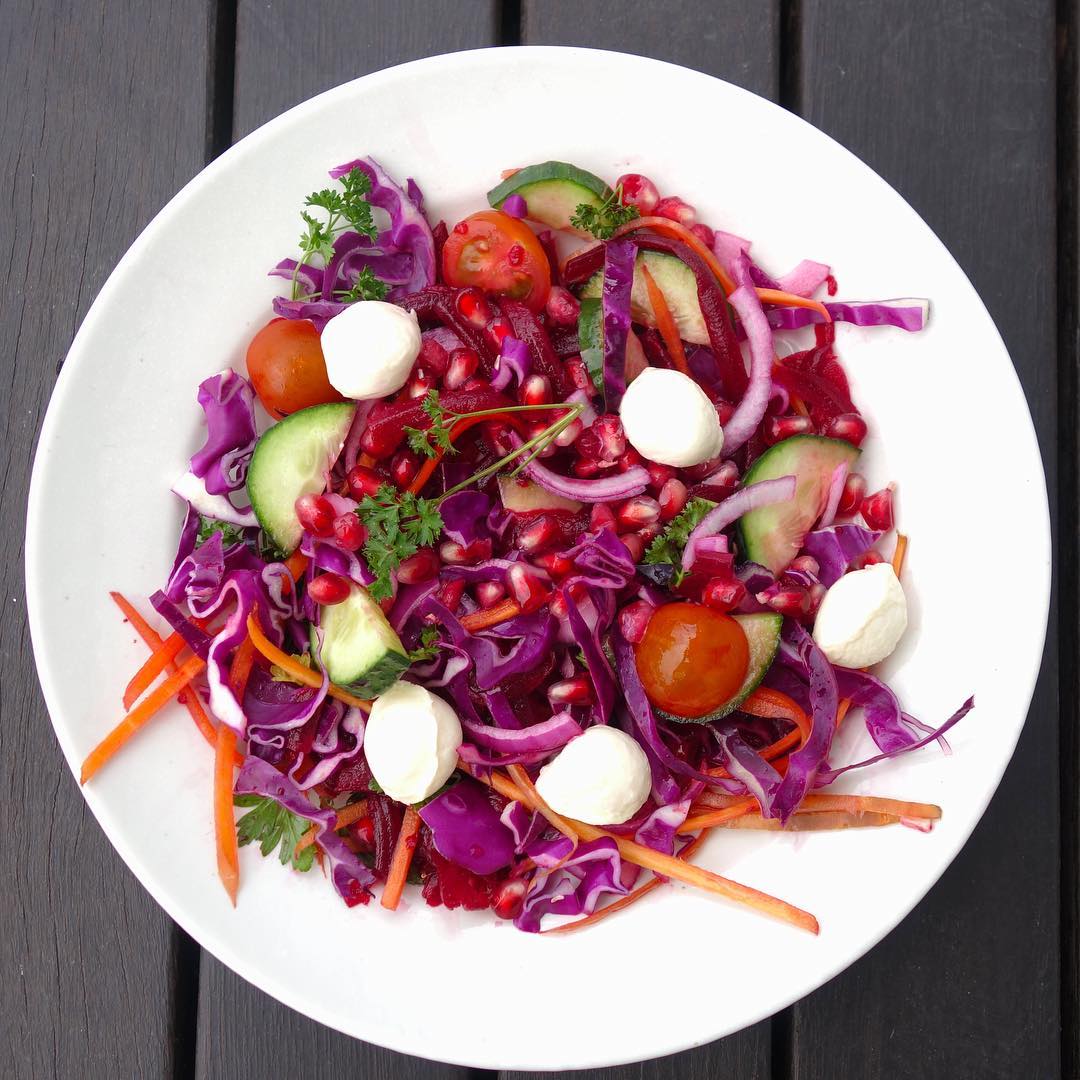
Gluten Explained: A Practical Guide to the Gluten-Free Diet

Gluten Explained: A Practical Guide to the Gluten-Free Diet
Author: Dr. Emily Rahman, RD, MPH (Registered Dietitian, Public Health Nutritionist) • Last updated: 2026-07-29
Medical disclaimer: This article provides general information about gluten and gluten-free eating. It is not medical advice. If you suspect celiac disease, a wheat allergy, or another medical condition, consult a clinician before starting a gluten-free diet — testing accuracy depends on continued gluten consumption.
What is Gluten? — Definition and Common Sources
Gluten is a group of proteins (primarily gliadin and glutenin) naturally present in certain cereal grains. It gives wheat dough its stretch, helps bread trap gas during rising, and contributes to the texture of many baked goods. Common gluten-containing grains and ingredients include:
- Wheat (all varieties: durum, spelt, emmer, einkorn, bulgur, semolina, farro)
- Barley (malt, malt flavoring, malt vinegar)
- Rye
- Triticale (a wheat-rye hybrid)
Gluten is therefore present not only in obvious foods like bread, pasta, and cereals but also in many processed foods, sauces, and condiments where wheat-derived ingredients or malt are used.
What is a Gluten-Free Diet? — Key Principles and Variations
If you’re searching for what is a gluten-free diet, the basic answer is: it is a dietary pattern that excludes gluten-containing grains and ingredients. The approach and strictness depend on the reason for following it. Key principles include:

- Avoiding wheat, barley, rye, and their derivatives.
- Choosing naturally gluten-free whole foods (fruits, vegetables, meat, fish, legumes, plain dairy, gluten-free grains).
- Reading product labels to spot hidden gluten and cross-contact risks.
- When medically required (e.g., celiac disease), following a strict gluten-free diet for life.
Common variations people adopt:
- Strict gluten-free: No gluten at all — required for celiac disease.
- Low-gluten: Reducing gluten intake without full elimination — sometimes chosen for symptom reduction by people without celiac disease.
- Wheat-free but not gluten-free: Avoids wheat but allows barley or rye (useful in selected allergic conditions).
- Gluten-free for convenience or preference: Chosen for perceived benefits but not medically required.
Who Needs a Gluten-Free Diet? (Celiac Disease, Wheat Allergy, Non‑Celiac Gluten Sensitivity)
Several medical conditions make a gluten-free diet necessary or potentially helpful. Accurate diagnosis matters because untreated conditions or unnecessary diet changes can cause harm.
Celiac Disease
Celiac disease is an autoimmune disorder triggered by gluten that damages the small intestine and can lead to nutrient malabsorption, anemia, osteoporosis, and other complications. Typical features:
- Symptoms: abdominal pain, diarrhea, bloating, weight loss, fatigue; some people have non-gastrointestinal signs (iron deficiency anemia, dermatitis herpetiformis, delayed growth in children).
- Diagnosis: Serologic blood tests (tissue transglutaminase IgA and total IgA) followed by intestinal biopsy if tests are positive. Genetic testing (HLA-DQ2/DQ8) can support diagnosis but does not confirm it. Important: testing accuracy requires the patient to be consuming gluten.
- Treatment: A strict, lifelong gluten-free diet under clinical supervision.
Wheat Allergy

A true wheat allergy is an immune (IgE-mediated) reaction to proteins in wheat and can cause hives, breathing difficulties, or anaphylaxis. It is diagnosed with allergy testing (skin-prick or blood tests) and history. People with wheat allergy must avoid wheat but may tolerate other gluten-containing grains depending on testing and clinical advice.
Non-Celiac Gluten Sensitivity (NCGS)
NCGS refers to people who experience intestinal or extra-intestinal symptoms after eating gluten but do not have celiac disease or wheat allergy. NCGS is diagnosed by excluding celiac disease and wheat allergy and considering symptom response to gluten challenge. Management commonly involves a gluten-reduced or gluten-free diet tailored to symptom control.
Other Situations
- Some autoimmune or functional gastrointestinal conditions report symptom improvement with reduced gluten, but evidence varies.
- People without medical indications may adopt the diet for perceived benefits, but they should be aware of nutritional considerations and costs.
How to Follow a Gluten-Free Diet: Foods to Eat, Avoid, and a Practical Food List
Practical implementation centers on selecting safe whole foods, identifying unsafe items, and learning label reading. Below is a detailed guide to what to eat and what to avoid.
Foods to Eat (Naturally Gluten-Free)
- Fruits and vegetables (fresh, frozen, canned without added sauces containing gluten).
- Fresh meat, poultry, fish, and seafood (unprocessed). Example recipe idea: Tuna Niçoise Salad — a naturally gluten-free option rich in protein and omega-3s.
- Legumes: beans, lentils, chickpeas.
- Dairy: milk, plain yogurt, cheese (check flavored/processed dairy for additives).
- Naturally gluten-free grains and starches: rice, corn, quinoa, millet, buckwheat, sorghum, teff, certified gluten-free oats.
- Nuts, seeds, and nut butters.
- Gluten-free flours: almond, coconut, rice, chickpea, and certified GF blends.

Foods to Avoid (Contain Gluten Unless Labeled GF)
- Breads, bagels, rolls, pastries, cakes, cookies made with wheat, barley, or rye.
- Regular pasta, couscous, semolina and many breakfast cereals.
- Beer and some malt beverages (made from barley).
- Sauces, gravies, dressings, and marinades that use wheat flour or soy sauce (regular).
- Many processed meat products (sausages, deli meats) that use fillers or binders containing gluten.
Hidden Sources of Gluten and Label-Reading Tips
Gluten can appear in unexpected places. Watch for these ingredients unless clearly labeled gluten-free:
- Malt (malt extract, malt vinegar), maltodextrin (may derive from wheat in some countries), modified food starch (source varies by country).
- Hydrolyzed wheat protein, dextrin, dextran when derived from wheat.
- Soy sauce (choose tamari or GF-labelled soy sauce), bouillon cubes, some spice blends, and seasonings.
- Processed foods like imitation crab (surimi), marinades, and pre-mixed spice rubs.
Label-reading tips:
- Look for a clear “gluten-free” label or certification for packaged foods if you need strict avoidance.
- Check the ingredients list for wheat, barley, rye, malt, and brewer’s yeast.
- When in doubt, contact the manufacturer — ingredient sources and cross-contact practices can change.
Cross-Contamination (Cross-Contact) Risks and Mitigation
Cross-contact occurs when gluten-free food touches surfaces, utensils, or oils that held gluten-containing foods. This is especially important for people with celiac disease. Practical steps:

- At home: use separate toasters, cutting boards, and utensils or thoroughly clean shared equipment. Store gluten-free foods separately.
- In restaurants: ask about food prep practices, request separate cooking surfaces or oil, and avoid shared fryers unless the chef confirms safety.
- Choose certified gluten-free oats rather than regular oats because they are often processed in facilities that also handle wheat.
Processed Gluten-Free Foods — Nutritional Quality
Many packaged gluten-free products compensate for missing gluten with added sugar, fat, and refined starches, and may be lower in fiber and micronutrients. When choosing packaged GF items:
- Compare nutrition labels: prioritize whole grains, fiber, lower added sugar, and moderate sodium.
- Prefer minimally processed whole-food options (legumes, rice, quinoa, vegetables) over highly processed GF snacks.
Benefits and Risks of a Gluten-Free Diet
A gluten-free diet can be lifesaving for some and a lifestyle preference for others. Below is an evidence-aware overview.
Benefits (When Medically Indicated)
- For celiac disease: healing of intestinal damage, symptom resolution, reduced risk of complications (e.g., certain nutrient deficiencies, osteoporosis).
- For wheat allergy: avoidance prevents allergic reactions which can be severe.
- For some people with NCGS: symptom improvement (abdominal pain, bloating, brain fog) though the degree varies.
Risks and Potential Drawbacks

- Nutrient gaps: risk of low fiber, iron, B vitamins (including folate), calcium, vitamin D, and sometimes B12 — especially if the diet relies heavily on processed GF products.
- Higher cost and limited availability of certain GF foods.
- Social and lifestyle impacts: challenges eating out, travel, and social events.
- Unnecessary self-imposed dietary restrictions: starting a gluten-free diet before testing can mask diagnostic tests for celiac disease.
Gluten-Free Diet and Weight Loss: What the Evidence Says
Many people ask whether a gluten-free diet causes weight loss. The evidence is nuanced:
- A gluten-free diet is not inherently a weight-loss diet. Weight change depends on total calories, macronutrient balance, and activity level.
- Some people lose weight initially because they remove calorie-dense processed foods when switching to whole-food GF options. Others may gain weight if they replace gluten foods with refined gluten-free products that are high in sugar and fat.
- If weight management is the goal, focus on balanced portions, whole foods, and nutrient density rather than gluten avoidance alone. For comparisons with low-carb, high-protein approaches, consider reading our low-carb and high-protein guide for overlapping strategies.
Gluten-Free Recipes: Easy, Nutritious Meals for Everyday
Below are practical recipes and meal ideas that are naturally gluten-free or easily adapted. Include portion sizes and simple steps to help at-home cooking.
Gluten-Free Pancakes (Serves 2)
- Ingredients: 1 cup certified gluten-free oat flour or 1 cup almond flour, 1 tsp baking powder (gluten-free), 2 eggs, 3/4 cup milk (dairy or plant), 1 tbsp honey or maple syrup, pinch of salt, 1 tbsp melted butter or oil.
- Instructions: Mix dry ingredients in a bowl. Whisk eggs, milk, honey, and melted butter in another bowl. Combine until smooth. Heat a nonstick pan over medium heat, pour 1/4 cup batter per pancake, cook 2–3 minutes per side until golden.
- Variation: Top with chia seed jam or fresh fruit for added fiber and lower sugar.
Quinoa Salad (Makes 4 servings)

- Ingredients: 1 cup dry quinoa (rinsed), 2 cups water, 1 cup cucumber (diced), 1 cup cherry tomatoes (halved), 1/4 red onion (finely chopped), 2 tbsp olive oil, juice of 1 lemon, salt and pepper, herbs (parsley or mint).
- Instructions: Cook quinoa according to package. Cool slightly and combine with vegetables and dressing. Chill before serving.
Cauliflower Rice with Paprika Shrimp (Quick Grain-Free Meal)
Swap grains for cauliflower rice as a gluten-free side or base. For a concrete grain-free idea, try our cilantro-lime cauliflower rice with paprika shrimp recipe for a flavorful, low-carb dinner that pairs vegetables with lean protein.
Snack and Dessert Ideas
- Banana nice-cream (frozen blended bananas) with cocoa or berries.
- Chia seed jam spread on gluten-free toast or pancakes.
Celebrities and the Gluten-Free Diet: Trends, Motivations, and Takeaways
Public figures often bring attention to dietary trends. Celebrities cite reasons like improved digestion, weight control, or skin benefits for choosing gluten-free eating. Important takeaways:
- Celebrity endorsements do not replace medical evidence. Individual responses vary widely.
- Use celebrity examples as anecdotal inspiration, not clinical guidance. If considering dietary changes based on publicity, consult a clinician or registered dietitian to ensure nutritional adequacy.
30-Day Gluten-Free Plan: A Practical Week-by-Week Guide

This sample plan is for people starting a gluten-free diet for symptom management or after a clinical recommendation. Modify portion sizes and food choices to personal needs and cultural preferences. If you suspect celiac disease, complete diagnostic testing before eliminating gluten.
Week 1 — Learn and Replace
- Clear your pantry of obvious gluten-containing items or label them for separate use.
- Build a shopping list focusing on fresh produce, lean proteins, gluten-free grains, nuts, seeds.
- Try one simple GF recipe (e.g., quinoa salad or cauliflower rice with shrimp).
Week 2 — Practice Label Reading and Dining Out
- Practice scanning labels for hidden gluten. Swap soy sauce for tamari.
- Call restaurants ahead to discuss gluten-free options and cross-contact policies.
Week 3 — Optimize Nutrition
- Check intake of fiber, iron, B vitamins, calcium, and vitamin D. Add fortified GF cereals or legumes and leafy greens as needed.
- Consider a multivitamin only if recommended by a clinician or dietitian.
Week 4 — Personalize and Maintain
- Build a weekly meal rotation of 10–14 reliable GF meals. Include snacks and desserts you enjoy.
- Schedule a follow-up with a dietitian if you have ongoing symptoms or concerns about nutrition.

Gluten and Bloating: Tips to Reduce Digestive Symptoms
Bloating has many causes; gluten may be one in some individuals. Practical strategies to reduce bloating include:
- Keep a food and symptom diary to identify triggers (gluten may be one of several).
- Try a supervised gluten elimination only after appropriate testing if celiac disease is suspected.
- Look for other common contributors to bloating: high-FODMAP foods, lactose intolerance, large portions, slow eating, low fluid intake.
- Consider working with a registered dietitian to design a safe elimination and re-challenge plan.
Medical Perspectives on a Gluten-Free Lifestyle: Benefits, Limitations, and Evidence
Clinicians emphasize accurate diagnosis and individualized care. Key clinical points:
- Do not start a gluten-free diet before testing for celiac disease — this can produce false-negative results.
- For celiac disease, a strict gluten-free diet typically improves intestinal healing and symptoms; periodic follow-up is recommended to monitor nutrient status.
- For wheat allergy, medical diagnosis and an emergency action plan for accidental exposure are important.
- For NCGS, benefits are variable; clinicians may recommend a structured elimination/re-challenge to confirm the trigger.
Personal Experiences: Stories from People Who Adopted a Gluten-Free Diet
Many people report improved energy, reduced gastrointestinal symptoms, or better control of autoimmune conditions after adopting a gluten-free diet. Anecdotes can be motivating but remember that personal stories do not replace clinical evidence. If you find symptom relief, discuss it with your clinician to ensure long-term nutritional adequacy and proper follow-up.
Potential Health Concerns Associated with Gluten: What Research Shows

Research supports that gluten is harmful for those with celiac disease or certain allergies. For people without these conditions, evidence that gluten causes disease is limited. Ongoing research explores the role of gluten and related components in gastrointestinal and extra-intestinal symptoms. If you have specific health concerns, seek evaluation from a qualified clinician.
Is a Gluten-Free Diet Right for You? The Craze, Practical Considerations, and Decision Guide
To decide whether to try a gluten-free diet, consider:
- Medical need: Have you been tested for celiac disease or wheat allergy?
- Goals: Symptom control, weight management, or general wellness — choose evidence-based strategies that match your goals.
- Trade-offs: Cost, convenience, potential nutrient gaps, and social impacts.
- Support: Work with a registered dietitian or clinician for safe implementation and follow-up testing if needed.
Next Steps
- If you suspect celiac disease: remain on gluten-containing foods and ask your clinician for serologic testing.
- If testing rules out celiac disease and symptoms persist: consider a supervised elimination or referral to a gastroenterologist or dietitian.
- For recipe ideas and meal planning: try naturally gluten-free dishes like cauliflower rice or tuna-based salads and explore our recipe collection for practical inspiration.
Frequently Asked Questions (FAQ)
Is oats allowed on a gluten-free diet?
Oats are naturally gluten-free but are frequently contaminated with wheat during growing or processing. Choose certified gluten-free oats if you have celiac disease; some individuals with celiac disease may still react to avenin (an oat protein) and should discuss oats with their clinician.

Can medication or supplements contain gluten?
Yes. Some medications, vitamins, and supplements use wheat-derived excipients. People requiring strict gluten avoidance should check product labels and consult pharmacists or manufacturers for ingredient sourcing.
How can I prevent nutrient deficiencies on a gluten-free diet?
Prioritize fiber-rich gluten-free whole grains (quinoa, buckwheat), legumes, leafy greens, nuts, seeds, lean meats, and fortified gluten-free products. Monitor iron, B12, folate, vitamin D, and calcium with your clinician, and consider supplementation when indicated.
References and Further Reading
- Clinical practice guidelines and patient resources from national celiac associations and public health agencies (CDC, NHS, NIH, and professional gastroenterology associations).
- Celiac Disease Foundation — patient-oriented resources on diagnosis, gluten-free living, and nutrition.
- Professional society guidelines on diagnosis and management of celiac disease and wheat allergy.
Internal resources: For practical gluten-free recipes and nutrition tips available on this site, search for Cilantro-Lime Cauliflower Rice with Paprika Shrimp, Tuna Niçoise Salad, Ways to Increase Omega-3 Intake, Chia Seed Jam, Banana Nice-Cream, and our low-carb and high-protein guide for complementary meal-planning ideas.
Closing summary: A gluten-free diet is essential for people with celiac disease and wheat allergy and may help some with non-celiac gluten sensitivity. Make decisions based on accurate diagnosis, focus on nutrient-dense foods, learn label reading and cross-contact prevention, and seek professional guidance for testing and long-term nutrition planning.