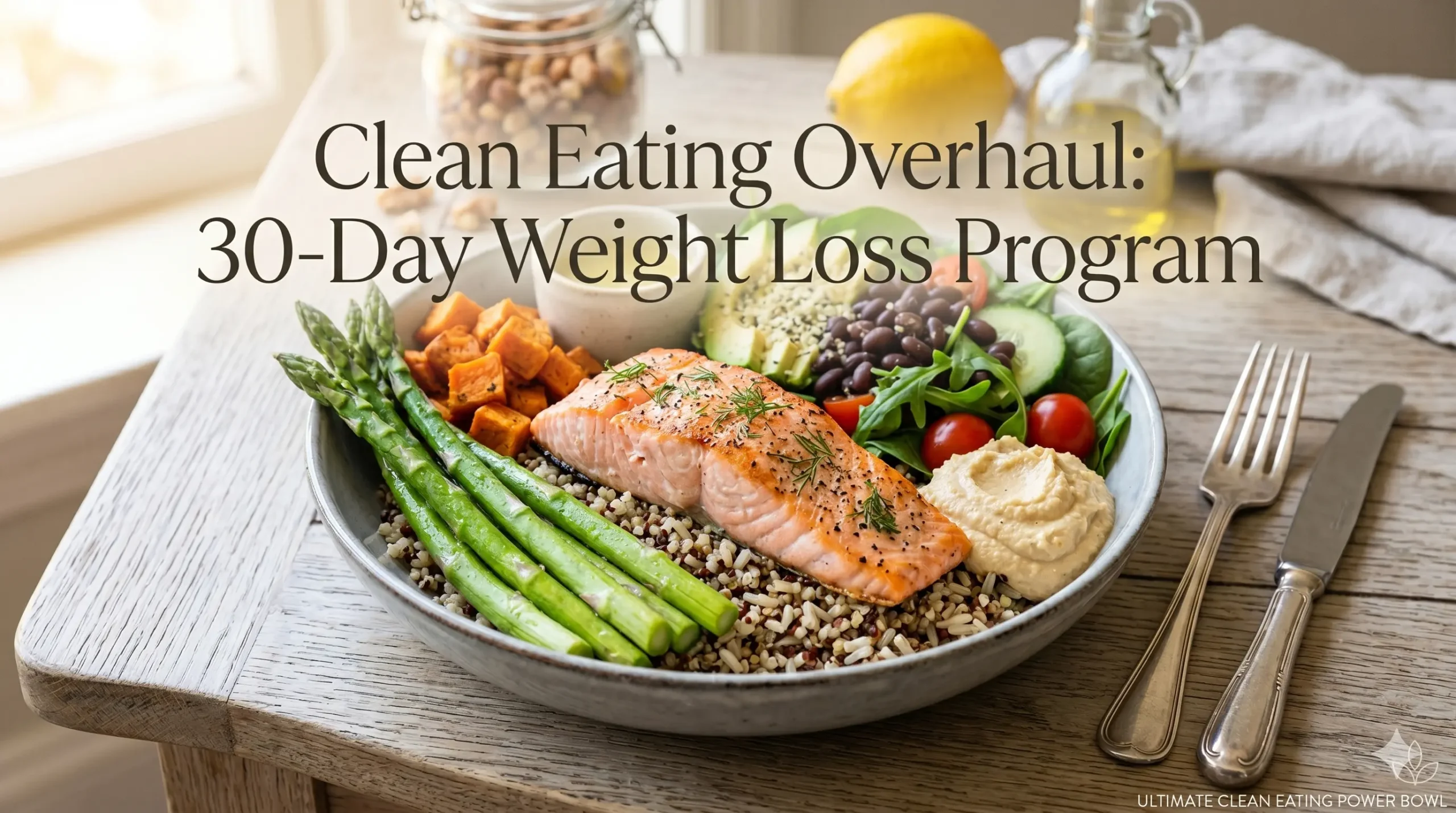
Clean Eating Overhaul: 30-Day Weight Loss Program
Transitioning to a healthier lifestyle can feel overwhelming, especially when walking down supermarket aisles packed with processed foods and misleading health claims. The secret to dietary success isn’t restriction; it’s preparation. By following a structured clean eating shopping list, you can stock your kitchen with whole, nutrient-dense ingredients that fuel your body naturally.
Clean eating is not a temporary trend—it is a sustainable, lifelong approach to nutrition that prioritizes whole foods in their most natural state while minimizing artificial ingredients, refined sugars, and heavy manufacturing processes.
Core Categories of a Whole Foods Grocery List
To build a balanced meal plan, your grocery basket should reflect variety across all major whole food categories. Based on a comprehensive clean eating checklist, here are the foundational pillars you need:
1. Fresh Fruits & Veggies (The Antioxidant Powerhouses)
Your cart should be filled primarily with colorful produce. Vegetables like spinach, kale, broccoli, and asparagus provide essential micronutrients and fiber, while fruits like avocados, blueberries, and citrus offer clean energy and high antioxidant loads.
2. Lean Proteins & Seafood
Protein is critical for muscle repair, metabolic health, and satiety. Opt for high-quality, minimally processed sources:
- Extra lean beef, bison, and free-range turkey.
- Wild-caught seafood like salmon, cod, and tilapia.
- Plant-based alternatives such as high-protein organic tofu and tempeh.
3. Complex Grains & Whole Carbs
Ditch refined white flour and replace it with slow-digesting carbohydrates that maintain stable blood sugar levels. Focus on bulgur, brown rice, quinoa, steel-cut oatmeal, and whole-grain sprouted options like Ezekiel bread.
Clean Eating Shopping Matrix
| Category | Top Smart Choices | Health Benefits |
| Fruits & Berries | Avocado, Blueberries, Dates, Figs, Apples | High fiber, rich in antioxidants, healthy monounsaturated fats. |
| Vegetables | Spinach, Broccoli, Asparagus, Sweet Potatoes | Excellent source of vitamins A, C, K, and digestive enzymes. |
| Dairy & Alternatives | Plain Greek Yogurt, Almond Milk, Free-Range Eggs | High protein, calcium-rich, and gut-friendly probiotics. |
| Nuts, Seeds & Oils | Almonds, Flax Seeds, Extra Virgin Olive Oil | Essential Omega-3 fatty acids and heart-healthy lipids. |
| Canned Goods | Lentils, Chickpeas, Wild Salmon, Tuna | Convenient, long shelf-life protein and clean fiber sources. |
Pro Tips for Navigating the Grocery Store
- Shop the Perimeter: The outer edges of the grocery store usually house fresh produce, fresh meat, and dairy. Avoid the middle aisles where heavily processed, chemical-laden boxed foods live.
- Read Content Labels Carefully: If a product contains more than five ingredients or includes names you cannot pronounce, it probably doesn’t belong on a clean eating list.
- Don’t Fear Healthy Fats: Cold-pressed extra virgin olive oil, avocado oil, chia seeds, and raw walnuts are crucial for hormone health and brain function.
Frequently Asked Questions (FAQ)
What exactly is considered “Clean Eating”?
Clean eating means choosing whole foods that are as close to their natural state as possible. It involves reducing refined sugars, trans fats, artificial preservatives, and ultra-processed food products.
Can I use frozen fruits and vegetables?
Yes! Frozen fruits and vegetables are often flash-frozen at peak ripeness, preserving their nutritional profile perfectly. Just ensure there are no added sauces, sugars, or excess sodium inside the packaging.
How do I start clean eating on a budget?
Buy grains (like brown rice, quinoa, and oats) in bulk, purchase seasonal produce, and make use of canned staples such as chickpeas and lentils which are highly affordable, nutritious, and perfectly clean.