30 Heart-Healthy Foods for Your Grocery List (Part 2: Doctor-Approved Shopping Guide)
Cardiovascular health is the single greatest determinant of longevity and everyday vitality. According to the American Heart Association and the World Health Organization, up to 80% of premature cardiovascular events can be prevented through targeted dietary and lifestyle interventions.
Your grocery shopping cart is the most powerful preventative medicine tool you own. To make heart-smart eating simple, practical, and delicious, here is the doctor-approved masterlist of 30 heart-healthy foods categorized into functional nutritional groups to help you lower LDL cholesterol, reduce arterial inflammation, and optimize blood pressure.
Category 1: Wild Fatty Cold-Water Fish & Lean Seafood
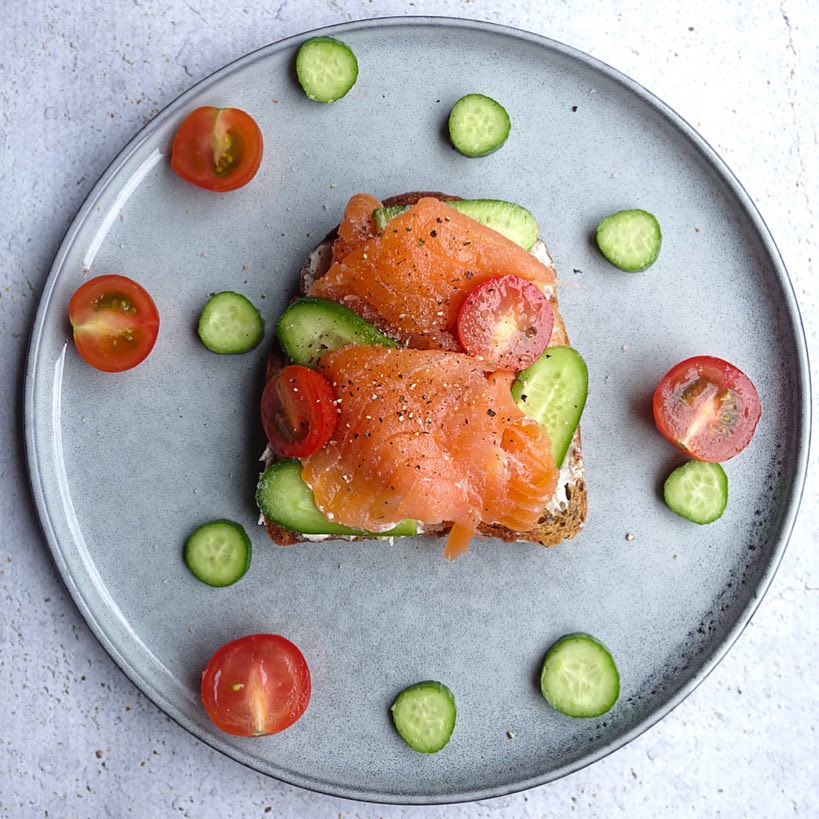
- Wild Alaskan Salmon: Packed with the long-chain omega-3 fatty acids EPA and DHA, which lower triglycerides, reduce endothelial inflammation, and stabilize heart rhythm.
- Atlantic Sardines: One of the cleanest sources of bioavailable calcium, vitamin D, and omega-3s with virtually zero heavy metal accumulation.
- Mackerel: Rich in coenzyme Q10 (CoQ10) and heart-protective polyunsaturated fats that promote arterial flexibility.
- Albacore Tuna: High-protein, low-saturated-fat seafood that supports vascular nitric oxide synthesis.
- Rainbow Trout: A mild, sustainable freshwater fish loaded with B-complex vitamins that regulate homocysteine levels.
- Pacific Halibut: High in magnesium, the essential mineral that regulates myocardial muscle contractions and prevents arrhythmias.
Category 2: Nutrient-Dense Leafy Greens & Cruciferous Vegetables
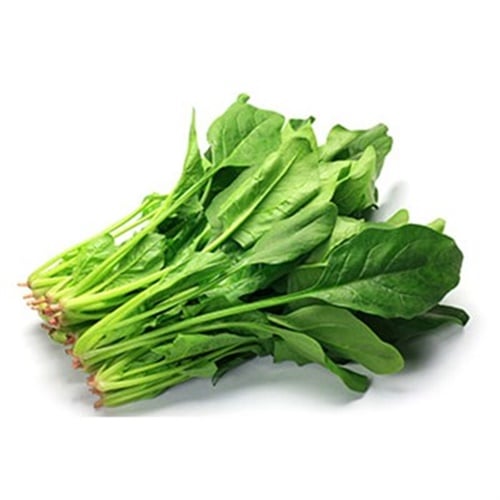
- Baby Spinach: Abundant in dietary nitrates, which convert into nitric oxide in the bloodstream to relax arterial walls and lower blood pressure.
- Curly Kale: Contains powerful bile acid sequestrants that bind to intestinal cholesterol, aiding in natural lipid excretion.
- Broccoli & Broccoli Sprouts: Concentrated source of sulforaphane, an antioxidant compound that activates cellular defense against vascular oxidative stress.
- Brussels Sprouts: High in soluble fiber and vitamin K1, supporting proper calcium utilization and arterial health.
- Swiss Chard: Loaded with potassium and magnesium, two electrolytes crucial for blood pressure homeostasis.
- Wild Arugula: A peppery green that stimulates digestive enzymes and delivers potent cardioprotective polyphenols.
Category 3: Antioxidant-Rich Berries & Low-Glycemic Citrus
- Wild Blueberries: Packed with anthocyanins, the pigment responsible for increasing HDL (good) cholesterol and protecting LDL from oxidative damage.
- Blackberries: Outstanding fiber-to-sugar ratio (nearly 8g fiber per cup), slowing carbohydrate absorption and blunting insulin spikes.
- Strawberries: High in ellagic acid and vitamin C, supporting collagen integrity within vascular endothelium.
- Pink Grapefruit: Rich in lycopene and potassium, helping regulate blood pressure and arterial wall stiffness.
- Fresh Lemons & Limes: High in citrus flavonoids like hesperidin that enhance microvascular blood flow.
- Pomegranate Arils: Punicalagins in pomegranate juice have been clinically demonstrated to reduce carotid artery plaque buildup over time.
Category 4: Seeds, Nuts & Soluble Fiber Legumes
- Raw Walnuts: The only nut with significant concentrations of plant-based alpha-linolenic acid (ALA), proven to reduce inflammatory C-reactive protein (CRP).
- Whole Chia Seeds: Form a mucilaginous gel in the digestive tract that traps excess cholesterol and facilitates elimination.
- Ground Flaxseeds: Rich in lignans and soluble fiber; grind fresh for optimal absorption of cardio-protective oils.
- Raw Almonds: High in natural vitamin E (alpha-tocopherol), preventing lipid peroxidation within arterial walls.
- Lentils: Plant-based protein and folate powerhouse that lowers serum homocysteine and supports arterial wall health.
- Black Beans & Chickpeas: Packed with resistant starch and soluble pectin that nourish gut bacteria producing short-chain fatty acids (SCFAs).
Category 5: Healthy Fats, Alliums & Aromatics
- Extra Virgin Olive Oil (Cold-Pressed): High in oleic acid and oleocanthal, an antioxidant that mimics natural anti-inflammatory agents in the bloodstream.
- Hass Avocados: Packed with monounsaturated fatty acids (MUFAs) and more potassium than a banana, directly counteracting dietary sodium.
- Fresh Garlic: Crushed raw garlic produces allicin, which has been shown in clinical trials to moderately lower systolic and diastolic blood pressure.
- Raw Ginger Root: Gingerols act as natural blood-thinning agents that improve peripheral circulation and inhibit platelet aggregation.
- Turmeric Root & Black Pepper: Curcumin targets systemic inflammatory cascades and improves vascular endothelial function.
- Organic Oat Bran: Rich in beta-glucan soluble fiber; consuming 3 grams of beta-glucan daily is clinically proven to reduce LDL cholesterol by 5–10%.
Cardiovascular Nutrient Breakdown
| Functional Nutrient | Primary Mechanism | Top Food Sources |
|---|---|---|
| Omega-3 Fatty Acids | Lowers triglycerides & anti-inflammatory | Salmon, Sardines, Walnuts, Chia |
| Dietary Nitrates | Vasodilation & lowers blood pressure | Spinach, Arugula, Beets |
| Beta-Glucan & Soluble Fiber | Binds bile acids & lowers LDL | Oat Bran, Lentils, Black Beans |
| Potassium & Magnesium | Regulates vascular tone & heart rhythm | Avocado, Swiss Chard, Halibut |
Smart Grocery Shopping Habits for Heart Health
- Shop the Perimeter First: Fresh produce, lean seafood, and fermented dairy occupy the outer edges of the grocery store, avoiding the processed center aisles.
- Read Saturated Fat & Sodium Ratios: Keep total added sodium below 1,500–2,000 mg daily and eliminate industrial trans-fats and partially hydrogenated oils completely.
- Eat a Rainbow: Vary the pigments in your cart each week (deep purples, dark greens, bright reds) to ensure broad-spectrum antioxidant coverage.