Thermogenic Dukan Kimchi Jjigae: Spicy Probiotic Metabolism Soup (Cruise Phase)
Executive Culinary Summary & Metabolic Impact
Thermogenic Dukan Kimchi Jjigae (Korean Kimchi Stew) features Korea’s most famous lacto-fermented superfood into an elite fat-torching metabolic stew. Well-aged, probiotic-rich napa cabbage kimchi is pan-caramelized with lean pork tenderloin (or lean beef round), firm tofu cubes, sliced scallions, and crushed garlic in a savory anchovy-kelp bouillon. Delivering an extraordinary 36.8g of bioavailable protein and only 5.5g of net carbs for 220 calories per bowl, this fiery stew accelerates resting metabolic rate through natural capsaicin thermogenesis while optimizing gut microbiome diversity on Cruise Phase days.
- Protocol Alignment: 100% compliant with Dukan Cruise (PV Days), Consolidation, and Stabilization phases.
- Lactic Acid Fermentation: Aged kimchi contains live *Lactobacillus plantarum* and *Leuconostoc* strains that enhance gut motility and immune balance.
- Capsaicin Adipose Lipolysis: Active capsaicin from Korean red pepper flakes (Gochugaru) activates uncoupling protein 1 (UCP1) in brown adipose tissue.
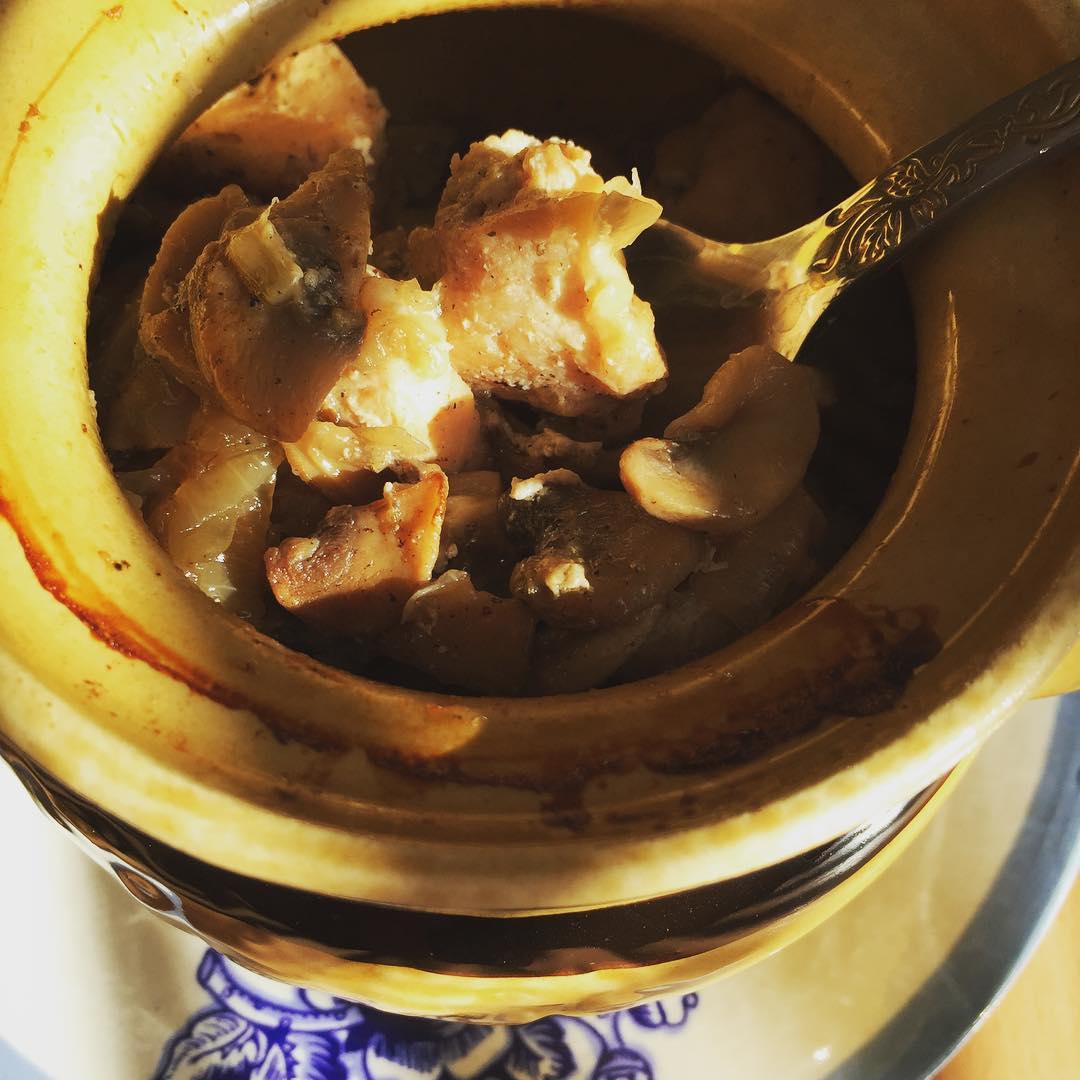
In Seoul, Kimchi Jjigae is the primary restorative comfort food, bubbling furiously in earthenware bowls (*ttukbaegi*), redolent of aged garlic and spicy lacto-fermented cabbage. Restaurant versions often simmer fatty pork belly and spoonfuls of refined white sugar. In this masterclass, I teach you how to prepare authentic, mouthwatering Jjigae using ultra-lean pork tenderloin and traditional anchovy kelp broth for a high-protein, calorie-burning masterpiece.
⚡ Haute-Protein Highlights: Éléments Clés
- 36.8g Pure Thermogenic Protein: Powered by extra-lean pork tenderloin, firm tofu, and rich bone broth.
- Gut-Healing Probiotic Matrix: Lactic acid fermentation compounds support beneficial intestinal microflora.
- Brown Fat Thermogenesis: Natural capsaicin elevates core body temperature and metabolic energy expenditure.
- Hearty One-Pot Comfort: Warms you to the bone on cold evenings while accelerating fat loss.
The Biochemistry of Fermented Kimchi and Capsaicin Thermogenesis
Aged kimchi is a biological marvel. During its 3-to-4 week lactic acid fermentation, cabbage carbohydrates are converted by lactic acid bacteria into natural organic acids (lactic, acetic, and succinic acid), lowering the pH to 4.2. This natural acidity creates a protective antimicrobial environment and breaks down tough vegetable fibers. In addition, the bioactive capsaicin from *Gochugaru* binds to TRPV1 receptors in the nervous system, triggering sympathetic catecholamine release that stimulates lipolysis in brown and beige adipose tissue.
Dukan Protocol Phase Integration
Review the complete compatibility matrix across all four stages of the Dukan Diet protocol:
Chef Bette’s Culinary Secrets
- Use Sour, Fully Fermented Kimchi: Fresh kimchi (*geotjeori*) will not make good Jjigae. Look for kimchi that has been fermenting in your refrigerator for at least 3 weeks. It should taste distinctly tangy and sour; this lactic acid is the flavor engine of the stew.
- Caramelize the Kimchi First: Sauté chopped kimchi in your pot with a wiped drop of oil for 5 minutes before adding broth. Caramelizing softens the cabbage leaves and deepens the umami complexity.
- Add Kimchi Brine Directly to the Pot: Do not drain and discard the liquid in your kimchi jar! Pour 1/3 cup of the spicy fermented kimchi brine directly into the simmering broth to infuse authentic pungency.
🍳 Chef Bette’s Tested Kitchen Essentials
Kitchen Tested
To achieve authentic Korean chili warmth and slow-simmered earthenware stewing, Chef Bette recommends:
Tae-kyung Korean Red Pepper Flakes (Gochugaru for Stews)
Sun-dried Korean chili pepper flakes with coarse grind and vibrant crimson color. Delivers authentic smoky warmth without harsh bitterness.
Crazy Korean Cooking Korean Stone Pot Earthenware (Dolsot / Ttukbaegi)
Traditional ceramic earthenware pot that retains sizzling heat at the table, keeping bubbling stews hot until the final spoonful.
Kettle & Fire Classic Beef Bone Broth (100% Grass-Fed)
Slow-simmered for 20+ hours to extract maximum natural collagen and minerals with zero added sugars or preservatives.
FTC Disclosure: As an Amazon Associate, MyDukanDiary earns from qualifying purchases at zero additional cost to you.
Thermogenic Dukan Kimchi Jjigae
Korean High-Protein Metabolic Stew • Prep Time: 12 mins • Simmer Time: 20 mins • Servings: 2 Large Bowls
Ingredients Checklist
Step-by-Step Preparation
- Sauté Kimchi & Meat: Heat a soup pot or Dutch oven over medium-high heat with a wiped drop of oil. Add pork tenderloin strips, minced garlic, ginger, and chopped kimchi. Sauté for 5-6 minutes until pork is browned and kimchi is translucent.
- Add Broth & Seasonings: Pour in the bone broth, 1/3 cup kimchi brine, soy sauce, and Gochugaru pepper flakes. Bring to a rolling boil.
- Simmer: Reduce heat to medium-low, cover with lid, and simmer gently for 12 minutes to allow flavors to meld deeply.
- Add Tofu and Scallions: Gently slide the cubed tofu and sliced scallions into the bubbling stew. Simmer uncovered for an additional 4 to 5 minutes until tofu absorbs the fiery broth.
- Serve Bubbling Hot: Ladle into deep warmed bowls (or serve directly from the Korean stone pot) and enjoy hot!
📊 Macronutrient Profile per Serving
*Macronutrients calculated per individual stew bowl. High lean pork and tofu protein, live probiotic fermented fiber, and natural thermogenic capsaicin.
Bon appétit et à votre santé,
Chef Bette