Cheese, Please!

🧀 Cheese Please!
A Guide to Enjoying Cheese Smartly — Flavor, Nutrition & Balance
For many of us, cheese is one of life’s greatest pleasures. It’s creamy, salty, comforting, and has the power to elevate almost any meal — from a simple slice of toast to a gourmet salad or pasta dish. But cheese often gets a bad reputation for being “unhealthy” or too high in calories and fat. The truth? Cheese can absolutely be part of a balanced diet — it’s all about choosing the right types and keeping portions in check.
If you’re a cheese lover (and let’s be honest, who isn’t?), here are some of the best options to enjoy guilt-free, along with tips on how to make smarter swaps without sacrificing taste.
🧀 Quark, Cottage Cheese, and Ricotta – Light, Creamy, and Protein-Rich
If you’re looking for a cheese that’s both low in calories and high in protein, these three are your best friends.
- Quark is a smooth, tangy fresh cheese that’s popular in European cooking. It’s similar to Greek yogurt but milder in flavor and thicker in texture. Packed with protein and naturally low in fat, quark makes an excellent base for spreads, dips, or even breakfast bowls with fruit and honey.
- Cottage cheese is another winner. It’s made by curdling milk, resulting in a lumpy yet creamy texture that pairs perfectly with both sweet and savory toppings. Try it on toast with sliced tomatoes and pepper, or mix it into pancakes or smoothies for an extra protein boost.
- Ricotta is a versatile Italian favorite that feels indulgent but is surprisingly light. Use it in lasagna, stuffed pasta shells, or spread it on whole-grain crackers with a drizzle of honey for a quick snack.
These cheeses contain roughly one-third of the calories of harder cheeses like cheddar or gouda and are naturally lower in sodium, making them great everyday options.
🧂 Feta – Small in Portion, Big in Flavor
Feta cheese brings a bright, tangy punch that can transform any dish. Crumble it over salads, roasted vegetables, or even scrambled eggs.
While feta is higher in salt, its strong flavor means you can use much less to get that satisfying cheesy taste — a smart way to save calories without feeling deprived. Opt for reduced-fat versions if you’re watching calories, but keep in mind that even a small sprinkle of full-fat feta can go a long way.
💡 Pro tip: Feta pairs beautifully with Mediterranean ingredients like olives, tomatoes, cucumber, and mint — perfect for a light summer lunch.
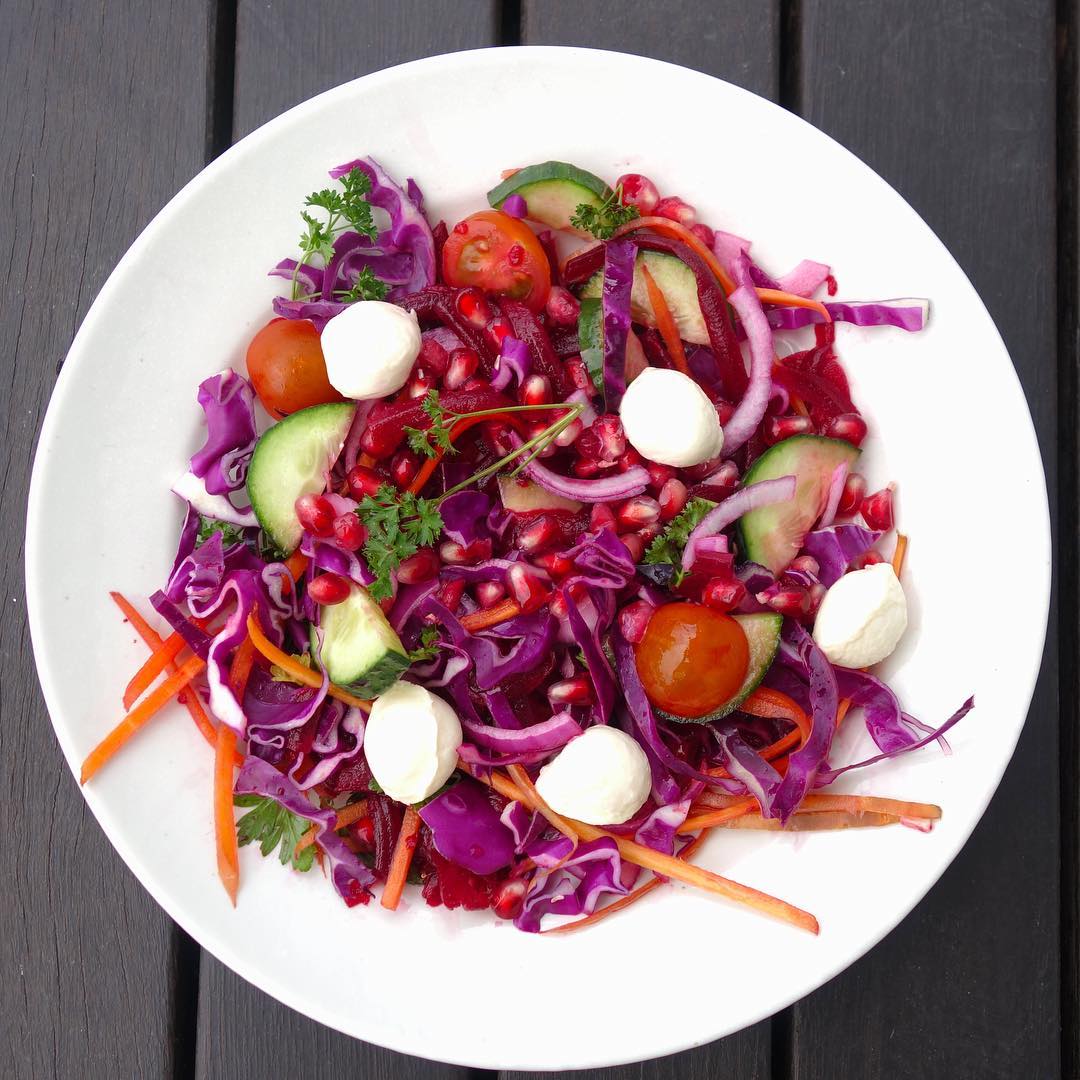
🍅 Bocconcini & Mozzarella – Soft, Mild, and Melty
If you love melty, stretchy cheese, mozzarella and its baby cousin bocconcini are the way to go. These soft cheeses have a delicate flavor and are around 30% lower in calories compared to many full-fat hard cheeses.
Mozzarella is also lower in sodium than many aged varieties, though it’s still important to check the label, as salt content can vary depending on the brand.
These cheeses are great for:
- Melting on wholegrain pizza bases
- Layering in caprese salads with tomato and basil
- Adding to wraps or sandwiches for a creamy texture
If you’re looking for a lighter version, part-skim mozzarella offers all the taste with fewer calories and less saturated fat.
🧀 Reduced-Fat Cheddar – A Familiar Favorite
Cheddar is one of the most popular cheeses around the world, and it’s easy to see why — it’s rich, tangy, and incredibly versatile. But it’s also one of the more calorie-dense varieties.
The good news is that reduced-fat cheddar can cut down on calories and fat by about 25% without losing too much of that beloved sharp flavor. It melts well, grates easily, and works in just about everything — from omelets to baked potatoes.
💡 Tip: Because reduced-fat versions can sometimes be less creamy, try grating it finely before melting or using it as a topping rather than the main component of a dish.
🧂 Parmesan – Sharp, Salty, and Powerful in Small Amounts
Parmesan is one of those cheeses where a little goes a long way. Its rich, nutty, and salty flavor can instantly elevate your meal. Sprinkle a small amount over pasta, soups, or roasted veggies — you’ll get maximum taste for minimal calories.
While parmesan is higher in sodium, the intensity of its flavor means you won’t need much. Just a tablespoon or two can make a big impact.
💡 Pro tip: Try using a vegetable peeler to shave thin ribbons of parmesan instead of heavy grating. It looks elegant and helps with portion control too.
🧀 The Takeaway – Balance, Flavor, and Mindful Portions
Most cheeses — except for lighter ones like ricotta, quark, and cottage cheese — are naturally calorie-dense and high in salt. But that doesn’t mean you have to give them up. The key is to enjoy them in moderation and make thoughtful choices depending on your needs.
If you’re looking for more protein and fewer calories, opt for fresh cheeses like ricotta or quark. If you love stronger flavors, go for feta or parmesan — a little will go a long way. And if you just can’t resist cheddar or mozzarella, try reduced-fat versions or simply savor a smaller portion.
Cheese is one of those foods that should bring joy, not guilt. So sprinkle it, spread it, or melt it — just do it with mindfulness. Because at the end of the day, life’s too short to skip the cheese. 🧀💛


