Healthy Eating Guide: Simple Tips for Confident Choices

Healthy Eating Guide: Simple Tips for Confident Choices
Author: MyDukanDiary editorial team; reviewed by a Registered Dietitian (RD). Updated on: 2026-10-18.
If you’re confused about healthy eating, you are not alone. Conflicting social media posts, sponsored content, and one-size-fits-all advice make it hard to know what to trust. This guide cuts through the noise with practical, evidence-informed steps you can use today to feel more confident about food choices.
Why healthy eating matters: benefits for energy, weight, and mood
Healthy eating supports daily energy, helps maintain a healthy weight, and improves mental wellbeing. Diets rich in vegetables, whole grains, lean proteins and healthy fats are associated with lower risk of chronic disease (heart disease, type 2 diabetes) and better mood and cognition. Trusted public health organizations including the World Health Organization (WHO) and national health services recommend balanced diets as the foundation of long-term health.
Common myths and misconceptions about healthy eating

- Myth: “Carbs are always bad.” Reality: Quality and portion matter—whole grains and starchy vegetables can be part of a healthy plate.
- Myth: “If it’s low-fat it’s healthy.” Reality: Low-fat products often include added sugars; focus on whole foods and balance.
- Myth: “Detoxes and cleanses reset your body.” Reality: The liver and kidneys remove toxins; extreme cleanses can be harmful.
- Myth: “One diet fits everyone.” Reality: People respond differently—some do better with fewer carbs, less dairy, or gluten-free approaches. If you’re considering an elimination diet, get professional guidance.
How to build a balanced plate: simple, science-backed guidelines
Use an easy plate method for meals: aim for about half vegetables, one quarter lean protein, and one quarter whole grains or starchy veggies. Practical portion cues work well:
- Protein: about one palm-sized portion (chicken, fish, tofu, beans) per meal for most adults.
- Vegetables: two cupped hands or roughly half your plate; vary colors and types.
- Carbohydrates: a cupped hand of rice, pasta, potatoes, or wholegrain bread—adjust quantity to your activity level.
- Fats: a thumb-sized portion of olive oil, nuts, or avocado; use sparingly when eating out.
Adapt these ratios for children, older adults, athletes, or people with medical conditions. The goal is consistency over perfection.
Practical steps to start eating healthier today (small, sustainable changes)

- Add a vegetable to every meal. Start with one extra cup of veg at lunch or dinner and build from there.
- Swap sugary drinks for water, sparkling water with lemon, or unsweetened tea.
- Choose whole grains when possible: brown rice, wholewheat bread, oats instead of refined versions.
- Practice one swap per week (e.g., replace sour cream with a lower‑calorie alternative or plain yogurt).
- Plan one extra home-cooked meal per week—home cooking increases control over ingredients and portions.
- Listen to hunger and fullness cues; try to eat slowly and without distractions.
Meal planning, shopping smarter, and easy meal-prep tips
Meal planning removes decision fatigue and helps you shop with purpose. Use these budget-friendly tactics:
- Make a simple shopping list based on 3–4 core meals for the week and stick to it.
- Buy frozen vegetables and fruit—they’re nutritious, last longer, and reduce waste.
- Choose budget proteins such as eggs, canned fish, dried or canned beans, and whole chickens.
- Cook larger batches and freeze portions for quick meals; batch-cooked grains and roasted vegetables keep well.
- Read labels for serving size and calories when comparing convenience products; prioritize ingredient lists with recognizable foods.
Sample low-cost weekly plan idea: breakfast—oats with fruit; lunch—salad with canned tuna or beans; dinner—stir-fry with frozen veg and a protein; snacks—fruit, nuts, or plain yogurt.

Healthy snack ideas and quick recipes for busy days
When time is short, prioritize protein + vegetables or fruit to stay satisfied. Examples:
- Greek yogurt with berries and a sprinkle of nuts.
- Hummus with carrot sticks or wholegrain crackers.
- Hard-boiled eggs with cherry tomatoes (see how-to: how to boil the perfect egg).
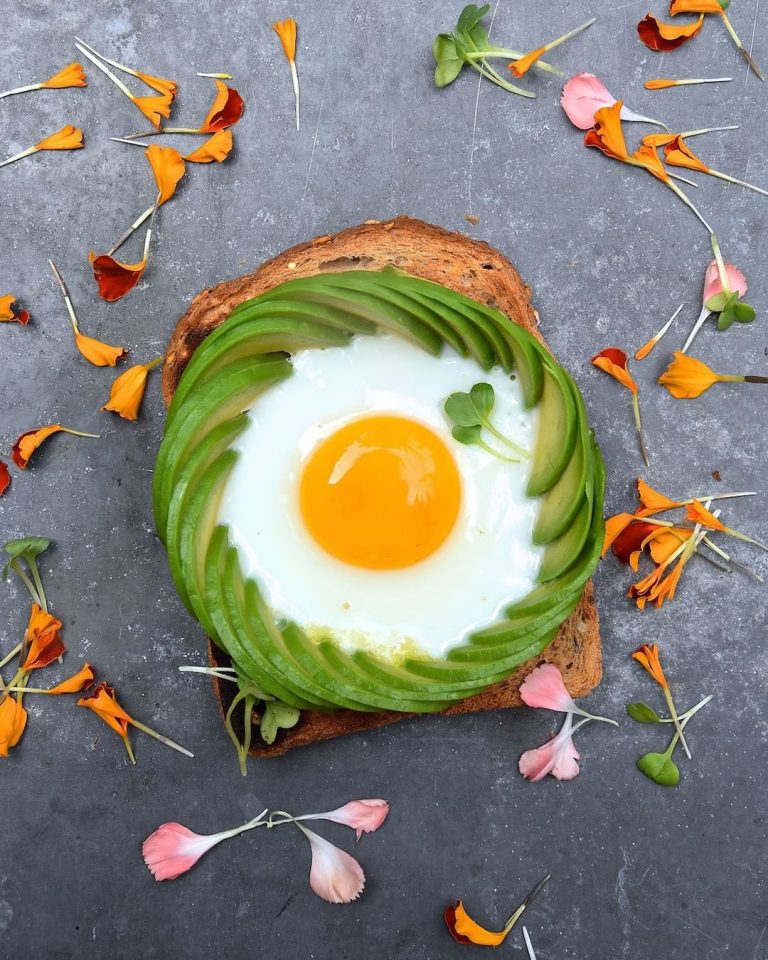
- Wholegrain toast with mashed avocado and a poached egg (brunch breakfasts and egg ideas).
- Canned tuna mixed with salad leaves and beans—opt for protein and vegetable dishes when eating out or ordering in.
- Low-carb swap options: cauliflower rice with paprika shrimp for a lighter take on takeout-style meals.
Dressing tips: order dressings on the side so you control how much you add—dressings on the side (try this chicken Caesar with homemade dressing) keeps calories and flavor balanced.
Setting realistic goals and tracking progress
Set small, measurable goals and celebrate progress. Use SMART principles:

- Specific: “Add one serving of vegetables at dinner.”
- Measurable: “Three home-cooked dinners per week.”
- Achievable: choose changes you can maintain with your schedule.
- Relevant: link actions to how you want to feel (more energy, less bloating).
- Time-bound: review after two weeks and adjust.
Track one or two metrics (e.g., number of vegetable servings, or days cooked at home) rather than counting every calorie. Consider a simple food diary or a phone app to monitor patterns and triggers.
When to seek a registered dietitian or healthcare professional
See a registered dietitian or clinician if you have:
- Medical conditions (diabetes, kidney disease, food allergies) that require tailored advice.
- Unexplained weight loss or persistent digestive symptoms.
- Plans to follow a restrictive or elimination diet long-term (e.g., no gluten without testing).
- Concerns about disordered eating or a preoccupation with food and weight.

Registered dietitians are regulated professionals and provide evidence-based, individualized care. If in the UK, national guidance from NHS is a useful place to start; internationally, look to recognized bodies such as WHO or your country’s dietetic association.
Resources, tools, and next steps (shopping lists, apps, further reading)
- Printable shopping list: prioritize vegetables, whole grains, legumes, eggs, canned fish, and a small number of versatile condiments.
- Apps: use meal-planning or basic food-tracking apps to build awareness, not obsession.
- Course: for more on volume-focused strategies, consider the free Essential Volume Eating Course mentioned in our resources.
- Further reading: consult WHO and national health service guidance for up-to-date recommendations.
Short FAQ
- Q: “How do I eat healthy on a tight budget?” A: Buy frozen veg, beans, eggs, and whole grains; plan meals and cook in batches.
- Q: “Is counting calories necessary?” A: Not for everyone—focus on food quality and portion cues unless you have a specific weight target where tracking helps.
- Q: “How can I enjoy brunch without going off track?” A: Choose protein-rich options, ask for sauces on the side, and balance with vegetables or fruit.
Summary: simple action plan to feel confident about healthy eating

- Start small: add one extra vegetable serving daily.
- Plate method: half veg, quarter protein, quarter carbs.
- Make one weekly swap to reduce sugar or ultra-processed foods.
- Plan and batch-cook to save time and money.
- Seek professional advice for medical issues or complex changes.
Disclaimer: This article is general information and not a substitute for personalized medical or nutrition advice. Consult a registered dietitian or healthcare professional for individual recommendations.
References and trusted sources:
- World Health Organization (WHO) dietary recommendations.
- NHS guidance on healthy eating and portion sizes.
- Academy of Nutrition and Dietetics (professional practice and standards).
Editorial note: Content reviewed by a Registered Dietitian. Updated recommendations and periodic reviews are scheduled every 6 months.