How Many Meals Do You Eat in a Day? A Complete Guide to Healthy Eating Patterns

One of the most common nutrition questions people ask is, “How many meals do you eat in a day?” The answer may seem simple, but it depends on several factors, including your age, lifestyle, activity level, health goals, and personal preferences.
For decades, many people followed the traditional pattern of eating three meals a day: breakfast, lunch, and dinner. However, modern nutrition trends have introduced alternative approaches such as intermittent fasting, six small meals a day, and flexible eating schedules. As a result, many individuals are confused about the ideal meal frequency.
In this comprehensive guide, we’ll explore how many meals you should eat daily, the advantages and disadvantages of different eating patterns, and how to choose the best meal schedule for your body and lifestyle.
Why Meal Frequency Matters
Meal frequency refers to the number of times you eat during a day. While the total amount and quality of food are crucial, meal timing can also influence:
- Energy levels
- Hunger management
- Blood sugar control
- Metabolism
- Weight management
- Athletic performance
- Digestive health
The right meal schedule can help you feel energized and satisfied, while an unsuitable eating pattern may leave you hungry, tired, or prone to overeating.
The Traditional Three Meals a Day
For many people around the world, eating three meals a day remains the standard.
Breakfast
Breakfast is often called the most important meal of the day because it provides energy after an overnight fast.
Lunch
Lunch helps maintain energy levels throughout the afternoon and supports productivity.
Dinner
Dinner replenishes nutrients after a busy day and often serves as a social gathering time for families.
Benefits of Three Meals Daily
- Easy to follow
- Fits most work and school schedules
- Supports balanced nutrition
- May reduce constant snacking
- Simplifies meal planning
Many nutrition experts agree that three balanced meals can effectively meet most people’s dietary needs.
Eating Two Meals a Day
Some individuals prefer eating only two meals each day. This approach is often associated with intermittent fasting methods such as the 16:8 fasting schedule.
Potential Benefits
- Simplified eating routine
- Reduced calorie intake
- Improved insulin sensitivity in some individuals
- Greater flexibility
Potential Drawbacks
- Increased hunger between meals
- Difficulty consuming enough nutrients
- Lower energy levels for some people
- Not ideal for highly active individuals
While two meals a day works well for some adults, it may not be suitable for everyone.
Eating Four to Six Small Meals Daily
Another popular approach involves consuming multiple smaller meals throughout the day.
How It Works
Instead of eating three large meals, individuals spread their calories across:
- Breakfast
- Mid-morning snack
- Lunch
- Afternoon snack
- Dinner
- Evening snack
Advantages
- May help control hunger
- Can stabilize blood sugar levels
- Supports athletic performance
- Easier for some people to digest
Disadvantages
- Requires more planning
- Can encourage overeating if portions aren’t controlled
- Difficult for busy schedules
Many athletes and fitness enthusiasts prefer this meal frequency because it helps maintain steady energy throughout the day.
What Does Science Say About Meal Frequency?
Nutrition research suggests that there is no universal meal frequency that works for everyone.
Studies have found that:
- Total calorie intake often matters more than meal frequency.
- Healthy food choices are more important than the exact number of meals.
- Individual lifestyle factors significantly influence results.
- Consistency is often more beneficial than constantly changing eating patterns.
In other words, the quality of your diet typically has a greater impact on health than whether you eat two, three, or six times daily.
How Many Meals Should You Eat for Weight Loss?
Weight loss is one of the primary reasons people experiment with meal frequency.
Three Meals for Weight Loss
Many people successfully lose weight by eating three balanced meals because it reduces mindless snacking and simplifies calorie control.
Multiple Small Meals for Weight Loss
Some individuals find that eating smaller meals throughout the day prevents excessive hunger and binge eating.
Intermittent Fasting
Intermittent fasting has gained popularity as a weight management strategy. By limiting the eating window, some people naturally consume fewer calories.
Key Takeaway
No single meal frequency guarantees weight loss. The most effective plan is one you can maintain consistently while consuming fewer calories than you burn.
Meal Frequency and Muscle Building
For those aiming to gain muscle, meal timing becomes more important.
Protein Distribution Matters
Research suggests that spreading protein intake across multiple meals may support muscle protein synthesis.
For example:
| Meal | Protein Intake |
|---|---|
| Breakfast | 25-30g |
| Lunch | 25-30g |
| Dinner | 25-30g |
| Snack | 20-25g |
Benefits for Athletes
Eating four to six meals daily may:
- Improve recovery
- Support muscle growth
- Maintain energy levels
- Reduce muscle breakdown
Bodybuilders and athletes often prefer more frequent meals for these reasons.
How Many Meals Do You Eat in a Day for Better Energy?
Energy levels depend not only on meal frequency but also on food quality.
Foods That Support Energy
Choose foods rich in:
- Complex carbohydrates
- Lean proteins
- Healthy fats
- Fiber
- Vitamins and minerals
Examples include:
- Oatmeal
- Eggs
- Fish
- Nuts
- Whole grains
- Fruits
- Vegetables
Avoid Energy Crashes
Limit excessive consumption of:
- Sugary drinks
- Refined carbohydrates
- Highly processed snacks
Balanced meals can provide more sustained energy than frequent sugary snacks.
Meal Frequency and Blood Sugar Control
For individuals with diabetes or insulin resistance, meal timing can play an important role.
Smaller Frequent Meals
May help:
- Prevent blood sugar spikes
- Reduce large insulin fluctuations
- Improve appetite control
Individualized Approach
Healthcare providers often recommend personalized meal plans based on:
- Blood sugar readings
- Medication use
- Activity level
- Medical history
Always consult a healthcare professional before making major dietary changes.
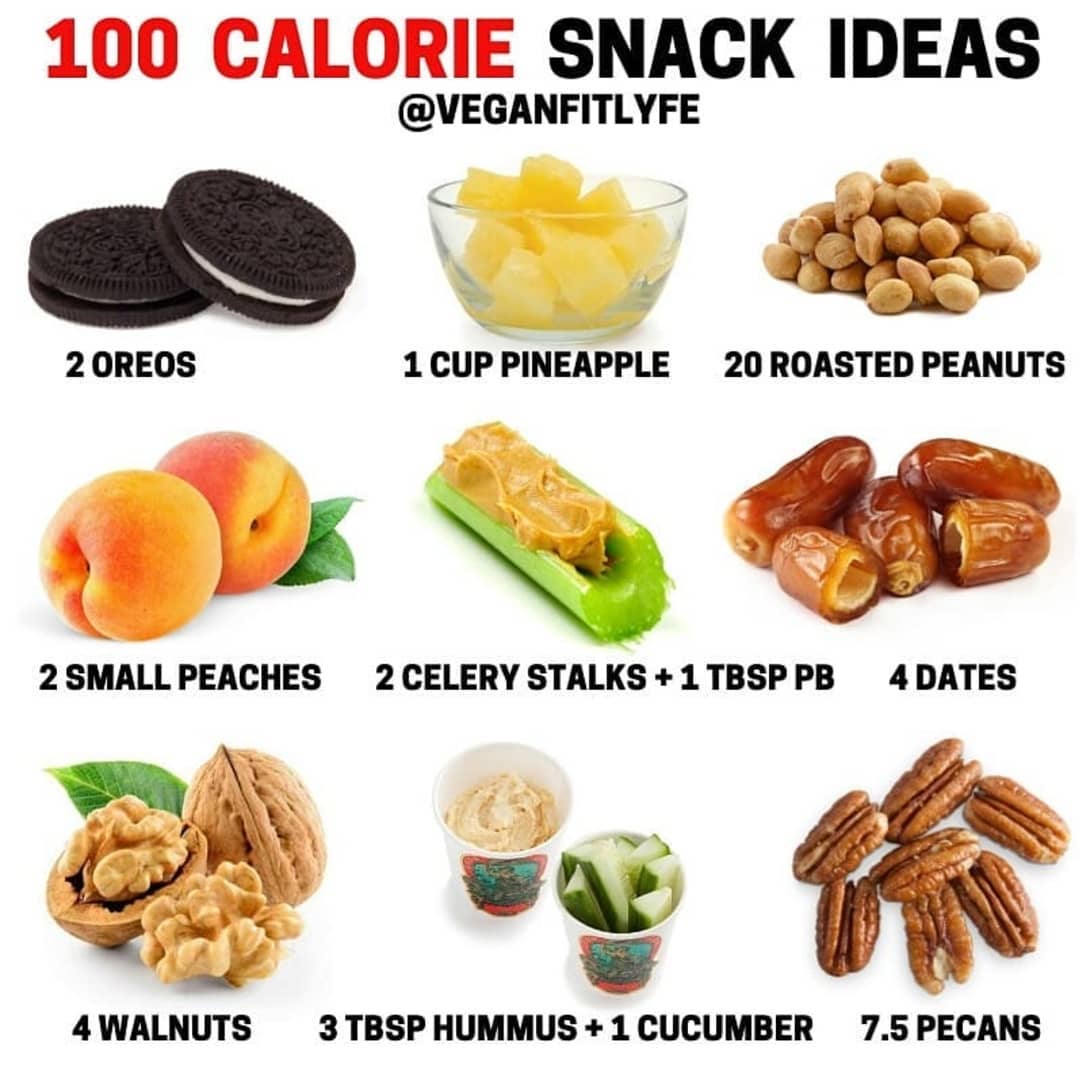
The Role of Snacks
Snacks can be beneficial when used strategically.
Healthy Snack Ideas
- Greek yogurt
- Mixed nuts
- Cottage cheese
- Apple slices with peanut butter
- Protein shakes
- Hummus and vegetables
When Snacks Become a Problem
Frequent snacking on high-calorie processed foods can contribute to weight gain and poor nutrition.
The goal is to snack intentionally rather than out of boredom.
Factors That Determine Your Ideal Meal Frequency
Several factors influence how many meals you should eat each day.
Age
Children and teenagers often require more frequent meals due to growth demands.
Activity Level
Athletes and physically active individuals may benefit from additional meals.
Health Conditions
Conditions such as diabetes, digestive disorders, and hormonal imbalances can affect meal timing needs.
Work Schedule
Shift workers and busy professionals often need flexible meal schedules.
Personal Preference
Some people naturally prefer larger meals, while others enjoy eating smaller portions throughout the day.
Common Myths About Meal Frequency
Myth 1: Eating More Often Boosts Metabolism
Research shows that meal frequency has little impact on overall metabolic rate.
Myth 2: Skipping Breakfast Is Always Bad
For some individuals, skipping breakfast works well within an intermittent fasting routine.
Myth 3: You Must Eat Every Two Hours
There is no scientific requirement to eat every two hours.
Myth 4: Six Meals Are Superior to Three Meals
Studies generally show similar outcomes when calories and nutrient intake are matched.
How to Find the Best Eating Schedule
The best eating schedule is one that:
- Fits your lifestyle
- Supports your health goals
- Provides adequate nutrition
- Feels sustainable long-term
Ask yourself:
- Do I feel energized?
- Am I constantly hungry?
- Can I maintain this routine?
- Am I meeting my nutritional needs?
Your answers can help determine the ideal number of meals for your daily routine.
Frequently Asked Questions (FAQs)
1. How many meals should an adult eat per day?
Most adults do well with three balanced meals daily, though some may prefer two or four meals depending on lifestyle and goals.
2. Is eating five meals a day healthy?
Yes, provided the meals are balanced and portion-controlled.
3. Does eating more meals increase metabolism?
Current research suggests meal frequency has minimal effect on metabolic rate.
4. Is it okay to eat only two meals a day?
For many healthy adults, yes. However, nutritional needs should still be met.
5. What meal frequency is best for weight loss?
The best meal frequency is the one you can consistently follow while maintaining a calorie deficit.
6. Should athletes eat more frequently?
Athletes often benefit from more frequent meals to support training, recovery, and muscle growth.
7. Are snacks necessary between meals?
Not necessarily. Snacks can help some individuals manage hunger but are not required for everyone.
8. Can meal timing affect sleep?
Yes. Eating very large meals close to bedtime may negatively impact sleep quality for some people.
Conclusion
So, how many meals do you eat in a day? There is no one-size-fits-all answer. Some people thrive on three traditional meals, while others prefer two larger meals or several smaller meals spread throughout the day. The most important factors are overall nutrition, portion control, food quality, and consistency.
Rather than focusing solely on meal frequency, prioritize balanced meals rich in protein, healthy fats, fiber, fruits, vegetables, and whole grains. By listening to your body’s hunger cues and aligning your eating habits with your lifestyle and health goals, you can create a sustainable nutrition plan that supports long-term wellness.
For most people, the best meal schedule is simply the one that helps them feel healthy, energized, and satisfied every day.